Detoxify – Hair Analysis
Optimizing Female Fertility
Natural Ways to Enhance Male Fertility
Fertility and Dexotification
Mercury
Detoxification –
Mecola, MD
General
Detoxificaton –
Health tips
Herbs
& Vitamins for pregnancy
Herbs
to Avoid during pregnancy
Pregnancy
& Nutrition
Safe
Motherhood Tips
Hazardous
Chemicals Database
To
learn more about the chemicals you work with, ask your employer for the
Material Safety Data Sheets for the products you uses or contact the National
Institute for Occupational Safety and Health or visit http://www.msdssearch.com/
Interaction
Concerns between Herbs, Vitamins, Drugs and Various Health Conditions?
Information
concerning interactions between, herbs, vitamins, health conditions and
prescription drugs. This free information is gathered from scientific
studies published in over 550 peer-reviewed medical and scientific journals.
Visit
Health Notes for drug
interactions
Health
Care Directory
Contact
Us
|
Common
Environmental Toxins and Pregnancy
By The March
of Dimes
What
are the risks of lead?
Mercury health warnings?
What about other metals?
Sources of pesticides – insecticides
Breathing organic solvents
Drinking chlorinated tap water
Exposure to cleaning products
There are
more than 4 million chemical mixtures in homes and businesses in this
country, with little information on the effects of most of them during
pregnancy. However, a few are known to be harmful to an unborn baby. Most
of these are found in the workplace, but certain environmental pollutants
found in air and water, as well as chemicals used at home, may pose a
risk during pregnancy.
A pregnant
woman can inhale these chemicals, ingest them in food or drink, or, in
some cases, absorb them through the skin. For most hazardous substances,
a pregnant woman would have to be exposed to a large amount for a long
time in order for them to harm her baby. Most workplaces have preventive
measures to help make sure this doesn’t happen. Pregnant women can take
steps to help protect themselves and their babies from pollutants and
potentially risky chemicals used at home.
What
are the risks of lead exposure during pregnancy?
Lead is a
naturally occurring metal that was found for many years in gasoline, paint
and other products used in homes and businesses. While lead is still present
in the environment, the amounts continue to decrease since the Environmental
Protection Agency (EPA) banned its use in these products in the 1970s.
Lead poses
health risks for everyone, but young children and unborn babies are at
greatest risk. Exposure to high levels of lead during pregnancy contributes
to miscarriage, preterm delivery, low birthweight and developmental delays
in the infant. Lead toxicity in children is characterized by behavioral
and learning problems and anemia. Few pregnant women in the United States
are exposed to high levels of lead. However, even low levels of exposure
may cause subtle learning and behavioral problems in the child.
Women who
live in older homes may be exposed to higher levels of lead due to deteriorating
lead-based paint. About 80 percent of homes built before 1978 were painted
with lead-based paint. As long as paint is not crumbling or peeling, it
poses little risk. However, if lead-based paint needs to be removed from
a home, pregnant women and children should stay out of the home until
the project is complete. Sanding or scraping leaded paint produces lead
dust. Only experts should remove leaded paint, using proper precautions.
Occasionally,
a pregnant woman is exposed to significant amounts of lead in her drinking
water if her home has lead pipes, lead solder on copper pipes or brass
faucets. Pregnant women can contact their state health department to find
out how to get their pipes tested for lead. The EPA recommends running
water for 30 seconds before using it for drinking or cooking to help reduce
lead levels. A pregnant woman should use only water from the cold water
pipe, which contains less lead than hot water, for cooking, drinking and
preparing baby formula. Many home filters do not remove lead, so a pregnant
woman should read the label on her filter carefully and change the filter
as recommended.
Lead crystal
glassware and some ceramic dishes may contain lead, and pregnant women
and children should avoid frequent use of these items. Commercial ceramics
are safer than those made by craftspeople. Other unexpected sources of
lead in the home may include the wicks of scented candles (which release
lead particles into the air when burned) and the plastic (polyvinyl chloride)
grips on some hand tools.
Some arts
and crafts materials (e.g., oil paints, ceramic glazes and stained glass
materials) contain lead. A woman should try to stick with lead-free alternatives
(such as acrylic or watercolor paints) during pregnancy and breastfeeding.
If anyone
in the home is exposed to lead on the job (such as painters and those
working in smelters, auto repair shops, battery manufacturing plants or
certain types of construction), they should change their clothing and
shower at work to avoid bringing lead into the home. They should wash
contaminated clothing at work, if possible, or wash it at home separately
from the rest of the family’s clothing.
Does
mercury exposure pose a risk in pregnancy?
Mercury is
another metal that is present naturally in the environment. Pregnant women
are most often exposed to mercury by eating contaminated fish. Mercury
enters the environment from natural and man-made sources (such as coal-burning
or other industrial pollution). It is converted by bacteria to a more
dangerous form (methylmercury) that accumulates in the fatty tissues of
fish. While trace amounts of mercury are present in many types of fish,
mercury is most concentrated in large fish that eat other fish, such as
swordfish and sharks.
In
2004, the U.S. Food and Drug Administration (FDA) and the Environmental
Protection Agency (EPA) made three recommendations for women who might
become pregnant, women who are pregnant and nursing mothers.
By following these recommendations, women can get the benefits of eating
fish and shellfish and be confident that they have reduced their exposure
to the harmful effects of mercury.
- Do not
eat shark, swordfish, king mackerel, or tilefish because they contain
high levels of mercury.
- Eat up
to 12 ounces (two average meals) a week of a variety of fish and shellfish
that are lower in mercury. Five of the most commonly eaten fish that
are low in mercury are shrimp, canned light tuna, salmon, pollock, and
catfish. Another commonly eaten fish, albacore (“white”) tuna, has more
mercury than canned light tuna. When choosing two meals of fish and
shellfish, women may eat up to 6 ounces (one average meal) of albacore
tuna per week.
- Check
local advisories about the safety of fish caught by family and friends
in local lakes, rivers, and coastal areas. If no advice is available,
women may eat up to 6 ounces (one average meal) per week of fish caught
from local waters, but they should not consume any other fish during
that week.
Game fish
also may be contaminated with other industrial pollutants such as PCBs
(polychlorinated biphenyls); a pregnant woman’s exposure to PCBs may contribute
to a child’s learning problems, reduced IQ and low birthweight. Pregnant
women or women who could become pregnant should not consume any game fish
without checking with their state or local health department or the EPA
to find out which fish are safe to eat.
It’s less
certain whether exposure to elemental mercury, which is used in thermometers,
dental fillings and batteries, poses a risk in pregnancy. Some studies
have found an increased risk of miscarriage in women working in dental
offices. Women who work with mercury should take all recommended precautions
to reduce their exposure.
What
other metals pose a risk in pregnancy?
Arsenic and
cadmium are two other metals that are suspected of posing pregnancy risks.
These metals enter the environment through natural (weathering of rock
and forest fires) and man-made (mining and burning of fossil fuels and
waste) forces.
While arsenic
is a well-known poison, the small amounts normally found in the environment
are unlikely to harm a fetus. However, certain women may be exposed to
higher levels of arsenic that could pose a risk. Several studies suggest
that women working at or living near metal smelters may be at increased
risk of miscarriage and stillbirth. Women who live in agricultural areas
where arsenic fertilizers (now banned) were used on crops or who live
near hazardous waste sites or incinerators also may be exposed to higher-than-normal
levels of arsenic. They can help protect themselves by having their water
tested for arsenic or by drinking bottled water and limiting contact with
soil. Because arsenic also is used as part of a preservative in pressure-treated
lumber, pregnant women should avoid wood dust from home construction projects.
Anyone who works with arsenic (semiconductor manufacturing, metal smelting,
herbicide application) should avoid bringing the metal home on clothing.
Scientists
suspect that cadmium may pose a risk in pregnancy. One study suggests
that cadmium may damage the placenta and reduce birthweight. This metal
is used in many occupations, including semiconductor manufacturing, welding,
soldering, ceramics and painting. Women who work with cadmium should take
all recommended precautions and avoid bringing it home on clothing. Pregnant
women also may want to consider eliminating sources of cadmium from the
house, such as fungicides containing cadmium chloride, certain fabric
dyes and ceramic and glass glazes and some fertilizers.
Can
pesticides harm an unborn baby?
Pregnant
women should avoid pesticides, whenever possible. There is no proof that
exposure to pest-control products at levels commonly used at home pose
a risk to the fetus. However, all insecticides are to some extent poisonous
and some studies have suggested that high levels of exposure to pesticides
may contribute to miscarriage, preterm delivery and birth defects. Certain
pesticides and other chemicals, including PCBs, have weak, estrogen-like
qualities called endocrine disrupters that some scientists suspect may
affect development of the fetus’s reproductive system.
A pregnant
woman can reduce her exposure to pesticides by controlling pest problems
with less toxic products such as boric acid (use the blue form available
at hardware stores). If she must have her home or property treated with
pesticides, a pregnant woman should:
- Have someone
else apply the chemicals and leave the area for the amount of time indicated
on the package instructions.
- Remove
food, dishes and utensils from the area before the pesticide is applied.
Afterwards, have someone open the windows and wash off all surfaces
on which food is prepared.
- Close
all windows and turn off air conditioning, when pesticides are used
outdoors, so fumes aren’t drawn into the house.
- Wear rubber
gloves when gardening to prevent skin contact with pesticides.
Health care
providers also have some concerns about the use of insect repellants during
pregnancy. The insect repellant DEET (diethyltoluamide) is among the most
effective at keeping bugs from biting; however, its safety during pregnancy
has not been fully assessed. If a pregnant woman uses DEET, she should
not apply it to her skin. Instead, she should place small amounts on her
socks and shoes and outer clothes, using gloves or an applicator to avoid
contact with her fingers.
What
are organic solvents?
Organic solvents
are chemicals that dissolve other substances. Common organic solvents
include alcohols, degreasers, paint thinners and varnish removers. Lacquers,
silk-screening inks and paints also contain these chemicals. A 1999 Canadian
study found that women who were exposed to solvents on the job during
their first trimester of pregnancy were about 13 times more likely than
unexposed women to have a baby with a major birth defect, like spina bifida
(open spine), clubfoot, heart defects and deafness. The women in the study
included factory workers, laboratory technicians, artists, graphic designers
and printing industry workers.
Other studies
have found that women workers in semiconductor plants exposed to high
levels of solvents called glycol ethers were almost three times more likely
to miscarry than unexposed women. Glycol ethers also are used in jobs
that involve photography, dyes, and silk-screen printing.
Pregnant
women who work with solvents, including women who do arts and crafts at
home, should minimize their exposure by making sure their workplace is
well ventilated and by wearing appropriate protective equipment, including
gloves and a face mask. They should never eat or drink in their work area.
To learn more about the chemicals she works with, a woman can ask her
employer for the Material Safety Data Sheets for the products she uses
or contact the National
Institute for Occupational Safety and Health or visit http://www.msdssearch.com/.
Is
drinking chlorinated tap water safe during pregnancy?
In recent
years, media reports have raised concerns about possible pregnancy risks
from by-products of chlorinated drinking water. Chlorine is added to drinking
water to kill disease-causing microbes. However, when chlorine combines
with other materials in water, it forms chloroform and related chemicals
called trihalomethanes. The level of these chemicals in water supplies
varies. A few studies suggest that the risk of miscarriage and poor fetal
growth may be increased when levels of these chemicals are high, while
other studies have not found an increased risk. Scientists continue to
study the safety of these chemicals during pregnancy. Until we know more,
pregnant women who are concerned about chlorine may choose to drink bottled
water or use a water filter.
Drinking
water also can become contaminated with pesticides, lead or other metals.
Women who suspect their water supply may be affected can have their water
tested or drink bottled water or filtered
water.
Do
household cleaning products pose a risk in pregnancy?
While some
household cleansers contain solvents, there are many safe alternatives.
Pregnant women should read labels carefully and avoid products (such as
some oven cleaners) whose labels indicate they’re toxic.
Products
that contain ammonia or chlorine are unlikely to harm an unborn baby,
though their odors may trigger nausea in a pregnant woman. A pregnant
woman should open windows and doors wear rubber gloves when using these
products. She should never mix ammonia and chlorine products because the
combination produces fumes that are dangerous for anyone.
A pregnant
woman who is worried about commercial cleansers or bothered by their odors
can substitute safe, natural products. For example, baking soda can be
used as a powdered cleanser to scrub greasy areas, pots and pans, sinks,
tubs and ovens. A solution of vinegar and water can effectively clean
many surfaces such as countertops.
Does
the March of Dimes support research on environmental risks in pregnancy?
The March
of Dimes has long supported studies seeking to identify environmental
exposures that may pose a risk in pregnancy. One grantee found that a
combination of genetic susceptibility with workplace exposure to the solvent
benzene appeared to shorten pregnancy. This finding may eventually make
it possible to identify high-risk women so that they can take steps to
reduce their risk. Another grantee is hoping to provide better dietary
counseling to pregnant women by studying the levels of mercury and PCBs
in fish that may contribute to learning problems in children. Others are
looking at how early environmental exposures may disrupt embryonic development,
possibly leading to birth defects of the heart, brain and other organs.
References
Agency
for Toxic Substances and Disease Registry. Public Health Statement for
Arsenic. Centers for Disease Control and Prevention, updated 9/00,
accessed 1/14/03.
Correa,
Adolfo, et al. Ethylene Glycol Ethers and Risks of Spontaneous Abortion
and Subfertility. American Journal of Epidemiology, volume 143, number
7, 1996, pages 707-717.
Department
of Health and Human Services and Environmental Protection Agency. FDA
and EPA announce the revised consumer advisory on methylmercury in fish,
March 19, 2004.
Farley,
D. Dangers of Lead Still Linger. FDA Consumer Magazine, January/February
1998.
Khattak,
S., et al. Pregnancy Outcome Following Gestational Exposure to Organic
Solvents: A Prospective Controlled Study. Journal of the American Medical
Association, volume 281, number 12 , March 24/31, 1999, pages 1106-1109.
Lappe, M.
and Chalfin, N. Identifying Toxic Risks Before and During Pregnancy: A
Decision Tree Action Plan. Report to the March of Dimes, Center for Ethics
and Toxics (CETOS), Gualala, CA, April 15, 2002.
Reproductive
Toxicology Center. Diethyltoluamide (revised 4/1/00), Arsenic (revised
9/1/01), Cadmium (revised 5/1/01), Trihalomethanes (revised 2/1/01), Chlorine
(revised 10/1/01), Chloroform (revised 6/1/01), Tapwater (revised 7/1/01);
all accessed 1/23/03.
U.S.
Environmental Protection Agency. Lead in Paint, Dust, and Soil. Updated
12/23/02, accessed 1/23/03.
U.S.
Environmental Protection Agency Air Toxics Program. The Integrated Urban
Strategy: Report to Congress. July 2000, accessed 1/24/03.
|
Hair Analysis – A Roadmap to a Healthy Pregnancy?
By Dr. Janet Hull, CN
Hair has the advantage of long-term memory. Hair is a permanent record, like tree rings. A three-inch strand of human hair will give a six-month history of what’s going on in the body since head hair grows at a rate of about a half an inch a month.
A hair analysis determines exactly what chemicals are inside of you, including radiation, heavy metals like mercury, food chemicals such as aspartame, pesticides, bacteria and more. The hair analysis is the best “roadmap” to view a history of what’s going on inside of you.
What Is a Hair Analysis?
The protein in hair fiber holds the composition of the body tissues for a permanent period. By analyzing the hair fiber composition, a trained eye can tell what toxins have accumulated in the body tissues and what vitamins and minerals are depleted or too abundant causing an imbalance in body function.
By detoxifying unnatural chemicals like mercury and lead, and by replacing specific vitamins individual to your needs, proper health can be restored using nutrition. The human hair analysis can detail these levels.
It can be overwhelming to walk into a vitamin store and wonder out of the thousands of bottles on the shelves, “Which ones do I need?” The hair analysis specifies which supplements your body is lacking, and which, if any, you are too high in. It saves time and money to know exactly what your body needs, or doesn’t need, nutritionally.
The hair analysis is an excellent tool to identify specific toxins, and vitamin and mineral deficiencies caused by them. As with any chemical in solution, food chemicals like aspartame and MSG saturate the body with toxins that penetrate the brain and infuse the bloodstream. Human beings are polluted with over 14,000 food chemicals we are exposed to daily.
The hair analysis allows you to ‘see’ what damage these toxins may be causing.
Is the hair analysis really accurate?
The hair analysis is as credible as a standard blood or urine test – maybe more. The key to a good hair analysis is the capability of a credentialed laboratory and the expertise of the practitioner interpreting the results. The American government and law enforcement agencies have depended upon hair analyses for decades to provide conclusive evidence in crime investigations.
A hair analysis is not understood in traditional medicine, but is highly respected in the world of forensics, scientific research, and drug testing. A hair analysis works the same as a soil or water sample to a geologist and engineer – it leaves a permanent imprint of the body’s ‘environment’ within the protein in the hair follicles.
If you want to determine if your well or tap water is polluted, you have a water test performed, right? If you’re drilling for oil, you have a soil test done. So, it is with the human body. If you want to know if toxins are within your tissues, have a hair analysis performed.
Do Medical Doctors Use The Hair Analysis?
One of the shortcomings of the American Medical Association (AMA) is the lack of nutritional education required for medical students. American medical schools promote more of the pharmaceutical philosophy of healing by drugs opposed to a nutritionally based curriculum of natural healing.
Blood and urine tests have value, of course, as those results can identify disease present within the body and they help your doctor determine the amount and kind of drugs and medications needed.
Hair mineral analysis on the other hand, identifies long-term nutritional deficiencies that can be at the root of disease, along with identifying toxic metals within the body that can cause disease. Most traditional medical doctors do not know how to interpret a hair analysis, and therefore, discount them as an important tool in natural wellness.
Dr. Hull’s Hair Analysis Test
Is hair analysis clinically useful?
By Doctor’s Data Inc.
Yes, as long as it is not over-utilized or over-interpreted. Hair element analysis provides important information which, in conjunction with the patient’s symptoms, medical history, and other laboratory results, can assist the physician with an early diagnosis of physiological disorders associated with aberrations in essential and toxic element metabolism.
Hair analysis is very well documented and referenced with respect to measuring body burden of heavy metals such as Lead, Mercury, Cadmium, and Arsenic. The World Health Organization, the International Atomic Energy Agency, and the U.S. Environmental Protection Agency have all recommended hair analysis for determination of heavy metals in certain instances. The EPA stated in a report that “…if hair samples are properly collected and cleaned, and analyzed by the best analytic methods, using standards and blanks as required, in a clean and reliable laboratory by experienced personnel, the data are reliable.” (U.S.E.P.A. 600/4-79-049)
Doctors Data Hair Analysis
Hair Analysis – Information Resources
Hair Mineral Analysis – Dr Joesph Mecola
|
Pregnancy – Open Thread
Share your thoughts.
|
In 2004, the U.S. (FDA) and (EPA) made 3 recommendations for women who might become pregnant, women who are pregnant and nursing mothers.
By following these 3 recommendations, women can get the benefits of eating fish and shellfish and be confident that they have reduced their exposure to the harmful effects of mercury.
Advertisement
Natural Lip Balms
Plastic-Free Containers!
Hair Analysis Resources
Alane M. Palmer, ND, CNC www.hairanalysistest.com
Advertisement
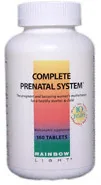 Rainbow Light’s Complete PreNatal System Multivitamin is a comprehensive blend of nutrients, foods and herbs that support a mother’s vitality and a baby’s healthy development, featuring:
- A complete range of the nutrients women and developing babies need, including ones that are often inadequate in pregnant and lactating women’s diets, such as iron and folic acid.
- Over 1500 mg of whole foods such as spirulina and wheat grass, to support women’s vitality throughout pregnancy.
- A custom blend of herbs including red raspberry, “the pregnancy herb,” and ginger, which makes mornings a little easier.
- Lactobacillus sporogenes, a beneficial bacteria.
Ovulation Calculators, Calendars and Information
Ovulation Calendar – Frequently asked questions about ovulation.
Ovulation Calendar – Free.
Ovulation Calculator – Free.
Ovulation Calculator – Free pregnancy calculator
Ovulation Software – Calendar and calculator, PC compatible only.
|


 Medical Review of Herbal Remedies