Chronic Fatigue – Fibromyalgia
Important Truth About Fatigue
Fibromyalgia Resources
Herbal
Saftey Check
How
do herbs and vitamins interact with over the counter and prescription
drugs? Visit
Health Notes for drug
interactions
Health
Care Directory
Health Care Videos
Contact
Us
|
Chronic Fatigue Syndrome
and Fibromyalgia Symptoms and Treatments
By Jacob A. Teitelbaum, MD
This is a fast paced world. We are all busy; living our full lives, burning the candle at both ends.
all get tired. We all get sick from time to time and maybe even depressed. But the illness called
chronic fatigue syndrome is not like the normal ups and downs that we experience in everyday life.
People with chronic fatigue syndrome feel overwhelming fatigue, and often pain as well. This is an
illness that does not go away with a few good night’s sleep. It drags on and on and doesn’t resolve
itself. It steals vigor and energy over months, and sometimes even years.
In this article we’ll talk about powerful vitamins, minerals, amino acids, and
herbs combined in scientifically validated formulas that people with chronic fatigue syndrome or
fibromyalgia can use every day. These nutrients can help address some root problems of chronic
fatigue syndrome and fibromyalgia by restoring energy and health to sufferers.
What is chronic fatigue syndrome?
Chronic fatigue syndrome (CFS) also known
as chronic fatigue and immune dysfunction
syndrome (CFIDS), or myalgic encephalomyelitis
(ME).1,2 is a group of symptoms associated with
unrelenting and debilitating fatigue.1,2 The
profound weakness of CFS causes a persistent
and substantial reduction in activity level.
You feel too tired to do normal activities or
are easily exhausted for no apparent reason.1,3
Beside extreme fatigue, symptoms of CFS
include general pain, mental fogginess,
flu-like symptoms, and gastrointestinal
problems. A list of symptoms includes: 2-4
• Headache
• Frequent infections, such as sinus or
respiratory infections, swollen glands,
bladder infection or yeast infections
• Muscle and joint aches
• Inability to concentrate or “brain fog”
• Allergies to foods and medications
• Anxiety and depression
• Decreased sex drive
The number of symptoms and the severity of
these symptoms can vary among people.
The symptoms of CFS hang on or reoccur
frequently for more than six months.3
Are chronic fatigue syndrome and
fibromyalgia considered to be the
same illness?
Fibromyalgia syndrome (FMS) is a painful
shortening of muscles throughout the body.5
FMS is basically a sleep disorder characterized
by many tender knots in the muscles. These
tender knots, called tender or trigger points,are a major cause of the achiness that people
with fibromyalgia and CFS feel.6
Approximately 80 percent of chronic fatigue
syndrome patients have received an overlapping
diagnosis of fibromyalgia syndrome. For
most people, fibromyalgia and chronic fatigue
syndrome are the same illness.6,7
What causes chronic fatigue syndrome?
There are many causes that can trigger
CFS. Current research is looking at the roles
of neuroendocrine dysfunction, viruses,
environmental toxins, genetic predisposition,
food sensitivities, yeast overgrowth, faulty
digestion, or a combination of these factors.2
For many people, CFS is triggered by a bout
with a viral illness (like a cold or the flu), or
even a stressful event.2,3 CFS is usually a mix
of underlying causes. It is like a domino effect
in that each problem can trigger another problem,
and so on. For example, fatigue and poor
sleep can trigger a weakened immune system,
which can, in turn, trigger yeast or bacterial
infections.8
Who gets chronic fatigue syndrome?
CFS is more common than you might
expect. It strikes people of all ages, racial,
ethnic, and socioeconomic groups.
Approximately 800,000 people nationwide
have CFS and over six million have fibromyalgia
at any given time.9,10
It is important to stress that CFS is a real
illness; it is not “just in your head.”
Unfortunately, sufferers of CFS may find that
many healthcare practitioners discount the symptoms of this illness or misdiagnose it as
another disease. This can lead to additional
emotional suffering.
How long does chronic fatigue
syndrome last?
The illness varies greatly in its duration.
Some people recover after a year or two.
More often, those who recover are more
likely to do so three to five years after onset.
Yet for some people, the illness seems to
simply persist. There are rare cases of
spontaneous improvement after five years
without undergoing any treatment. However,
this is very unusual.2
What are the complications of chronic
fatigue syndrome?
The patterns of CFS vary from individual
to individual. However, many common
patterns of symptoms are seen in CFS suffers.
These symptoms and problems interact and
create new symptoms and problems. For
example, infections and disrupted sleep can
lead to digestive, hormone, and immune
problems.11
Infections
The most notorious pattern seen in CFS
states is the one in which a person suddenly
comes down with a flu-like illness that
doesn’t go away. These viral or bacterial
infections can suppress the body’s master
gland, the hypothalamus. Since the
hypothalamus controls the other glands,
including the adrenals, ovaries, testes, and
thyroid, suppression of this gland will lead
to a subtle but debilitating decrease in the
functioning of all glands and their hormones.
Suppressed hypothalamic function from
chronic infections can then trigger sleep
dysfunction.12
Disrupted Sleep
The suppression of the hypothalamus gland
can lead to poor sleep because the body confuses
its day/night cycles. Because of this,
people with CFS have trouble staying in the
deep, restorative stages of sleep that
“recharge their batteries.”13
Poor sleep can cause immune suppression,
which may lead to secondary bowel
infections. The bowel infections seen
in people with CFS can cause decreased
absorption of nutrients, which can lead
to chronic vitamin and mineral
deficiencies.13
Is there a cure for chronic fatigue syndrome?
Treating chronic fatigue syndrome presents
a significant challenge to people with CFS and
their healthcare practitioners. Recently, a published placebo-controlled study (of which
I was the lead investigator) showed that
when using an integrated treatment
approach, over 85 percent of CFS and
fibromyalgia patients can improve—often
dramatically. The full text of this study can
be seen at ‘www.endfatigue.com’. An editorial
in the April 2002 issue of the Journal of
the American Academy of Pain Management
noted that this treatment, which I developed,
is now a highly effective and excellent part
of the standard of practice for treatment of
fibromyalgi Since this treatment addresses
many different problems associated with
CFS/FMS, it needs to be individualized to
each patient.15
Medical Treatments
Medications that provide symptom relief are
frequently the first line of treatment chosen
by healthcare practitioners for the person
with CFS. These include medications for pain,
sleep disturbances; digestive problems such
as nausea, depression and anxiety, and
flu-like symptoms.16
However, medications have not been universally
successful because they tend to put a bandage
on symptoms instead of addressing the
root problems. Because of this, medications
may need to be supplemented by the other
supportive therapies that can address the
root problems.
Supportive Treatments
People with CFS/FMS may be depressed,
given the catastrophic lifestyle disruption
this disease may cause. They may also feel
guilt and frustration because their symptoms
were not taken seriously for such a long
time. Fear can be a factor as employment and
family relationships may be jeopardized by
this illness.
Therapies that help people to relax and
improve coping skills may be helpful and
include counseling for emotional and mental
health, cognitive behavioral therapy, sleep
management therapy, and massage.16
Lifestyle Treatments
Altered digestion, food intolerances, decreased
energy, fatigue, cognitive problems, and
sleeplessness create the need for changes in
daily living routines. These can include
alterations in diet; exercise modifications;
alterations in activities of daily living
according to one’s energy level; and
sleep/rest management. All may require the
assistance of professional clinicians, such
as a nutrition specialist, physical and/or
occupational therapists, mental health
professionals, and sleep therapists.16
Other Treatments
Many persons find complementary therapies
such as acupuncture, tai chi, special diets,
and herbal supplements to be helpful. Since
treatments for CFS/FMS work best when
tailored to the individual’s needs, it is
beneficial to work with an experienced
healthcare practitioner to coordinate these
interventions.
What steps do I need to take to get well?
Since the causes and symptoms of chronic
fatigue syndrome and fibromyalgia are complex,
the interventions to improve health and
energy are somewhat involved. The multitiered
regimen to get on the road to recovery
is outlined below.
The Road to Recovery
Adequate Sleep
Disordered sleep is the underlying process
that drives many of the symptoms of CFS/
FMS. The most effective way to eliminate
pain in CFS/FMS is to get seven to nine
hours of deep sleep each night.17
However, getting adequate sleep is easier said
than done for CFS sufferers with underlying
fibromyalgia symptoms. The muscle knots
of fibromyalgia make it uncomfortable to lie
in one position for extended time, causing
difficulty in returning to deep sleep. Because
of this, people with CFS/FMS do not stay
in deep stages of sleep to recharge their
“batteries.” In addition, poor sleep can cause
and be caused by the suppression of the
hypothalamus gland, which causes the brain
to think it is daytime instead of night.18
It may be helpful to use herbal products to
promote good quality sleep. There are many
natural supplements that are marketed as
sleep formulas. To get the best results, it is
very important that the right ingredients are
in the sleep formula you buy. (See chart below)
Herbal Ingredient Effect on Sleep
Wild Lettuce
Hops
Jamaica Dogwood
L-Theanine
Valerian
Passion Flower
Has been found to have
sedative effects.19
Acts as a mild sedative and has a
sleep inducing effect.20,21
Has been found to be mildly
sedative and is often used
for anxiousness.22
Causes significant increases of
neurotransmitter concentrations
in brain, which promotes muscle
relaxation and improves sleep.23,24
This herb has been clinically
studied for its ability to improve
sleep quality.25-33
This herb eases nervousness
and insomni34,35
Therefore, it is important to look for an
herbal sleep formula that is especially formulated
for people
with CFS/FMS. The combination of herbs is
important as each herb addresses a different
aspect of sleeplessness and muscle tension.
Daily Nutritional Supplementation for Energy
Good overall nutrition is important for
everyone, of course. However, there are
several vitamins, minerals, and amino acids
that can have powerful nutritional effects for
a person with CFS. The chart below lists the
most critical ingredients. You can see that
almost all of the vitamins and minerals in a
chronic fatigue/fibromyalgia formula should
work together synergistically to help improve
energy levels and overall health.
Vitamins and Minerals
Vitamin E: Helps to relieve pain in CFS
patients. Can also improve night leg cramps,
which interferes with sleep.36
Vitamin C: Enhances immune function by
increasing natural killer cells, B and T cells.
Can prevent chronic bladder infections by
acidifying urine.37-44
Vitamin D: Regulates immune functions of
monocytes and neutrophils.45-47
Magnesium: Involved with immune support.
Working with malic acid, enhances immune
function by increasing natural killer cells.
Magnesium is also critical for the relief of
muscle pain.48,49
Inositol: Enhances immune function by
increasing natural killer cells.50
Malic Acid: Working with magnesium,
improves energy levels by improving cellular
functions. Especially important in muscle
metabolism.49
Amino Acids: Glycine, Serine, Taurine,
Tyrosine are essential for the production of
energy in the body. Also essential for brain
function.51
Zinc: Supports the immune system by
enhancing neutrophil activity and supporting
healthy antigen-antibody binding.52,53
Selenium: Supports immune function by
enhancing antibody production.54,55
Fructooligosaccharides: Provides nutrition
for good bacteria in the intestinal tract,
improving digestion and healthy microflor56
All of the vitamins, minerals, and other
nutritional supplements on the list are important to ensure recovery from chronic
fatigue syndrome. To ensure that your
nutritional supplement regimen contains
all of these ingredients, look for a powdered
supplement formulated specifically for
CFS/FMS sufferers that can be reconstituted
in a beverage of your choice. A powdered
drink mix is a pleasant, easy way to ensure
that you are taking all of the needed
vitamins, minerals, and amino acids that
will give you the needed energy to recover
from your illness.
B Vitamin Complex for Energy
In addition to the powdered energy drink
mix, it is important that you also take a
vitamin B-complex supplement specifically
formulated for people with CFS/FMS. The B
vitamin formula, which should include
niacinamide, thiamin, riboflavin, vitamin B6,
vitamin B12, pantothenic acid, and choline,
is especially important to restore the energy
production needs of your body, as well as for
mental function. It is also important to make
sure that the dosages are high enough for
CFS/FM needs.57,58 The chart below lists the B
vitamins that are critical for people suffering
from CFS.
B Vitamins Effect on Chronic Fatigue Syndrome
B Vitamins Effect on CFS
Niacinamide
Thiamine
Vitamin B6
Pantothenic
Acid
Folic Acid
Vitamin B12
Essential vitamin that is a
component of the body’s
energy furnace, helping to
improve fatigue and “brain fog”.59
Essential in the process of
energy production. This vitamin
also removes lactic acid from
muscles, which causes them to be
sore in fibromyalgia patients.59
Working along with thiamine,
this vitamin is critical in the
process of energy production.59
This vitaminan improves adrenal
gland function, which will boost
energy levels. It can also aid in
weight loss by decreasing appetite.60
Aids in strengthening the immune
system, and aids in mental clarity
and concentration.61
Important for brain function and
nerve repair. Aids in relieving
fatigue symptoms in CFS patients.57
Studies have demonstrated that people with
CFS/FMS are often deficient in many of the
B vitamins, which tend to worsen their
symptoms of fatigue and mental “fogginess”
and ultimately lead to a weakened immune
system.57,58,61,62
How often should I take chronic
fatigue syndrome/fibromyalgia formula
supplements?
Because good quality sleep is so important
to the recovery process, it is very important to
take an herbal sleep formula that is specially
formulated to help maintain deep restorative
sleep in people with CFS/FMS. This should be
taken every evening, about 30-60 minutes
before bedtime to ensure that you get seven
to nine hours of deep sleep each night.
After a good night’s rest, a powdered energy
drink mix formulated for people with CFS/FMS
should be drunk along with a well-balanced
breakfast. In addition to the nutritional
beverage mix, a vitamin B complex supplement
designed specifically for CFS sufferers,
containing niacinamide, thiamin, riboflavin,
vitamin B6, vitamin B12, pantothenic acid,
and choline, should be taken every morning.
The nutritional drink mix and the vitamin B
complex supplement will ensure that your
body has all the vitamins, minerals, and
amino acids to combat your overwhelming
fatigue, pain, and “brain fog”.
Together, these three interventions–sleep
formula, morning energy drink mix, and
energy B complex supplement–can make an
incredible difference that you should begin
to notice within 1 month of starting this
program.
Conclusion
Chronic fatigue syndrome and fibromyalgia
are complex physical processes with physical
causes. The unrelenting symptoms of fatigue,
pain, and mental fogginess can be overwhelming
and frightening. Partnering with a
healthcare practitioner specializing in CFS and
utilizing different medical treatments, supportive
therapies, and lifestyle changes
are healthy ways to combat chronic fatigue
syndrome. And taking nutritional supplements
formulated specifically for people with CMS/
FM that help boost energy or help you
get a good night’s sleep can give you critical
control over the outcome of your illness and
set you on the road to recovery.
References
1. Teitelbaum J. From Fatigued to Fantastic. New York: Penguin Putnam Inc.; 2001:1.
2. Chronic Fatigue Syndrome. Chronic Fatigue Syndrome News Website. Available at: http://www.cfsnews.org/fahtm. Accessed on May 3, 2002.
3. Chronic Fatigue Syndrome Fact Sheet. National Institute of Allergy and Infectious Diseases Website.
Available at: http//www.niaid.nih.gov/
factsheets/cfs.htm. Accessed on May 3, 2002.
4. Teitelbaum J. From Fatigued to Fantastic. New York: Penguin Putnam Inc.; 2001: 9-11.
5. Chronic Fatigue Symptoms. Wisconsin Chronic Fatigue Syndrome and Myalgic Encephalomyelitis
Association Website. Available at: http//www.wicfs-me.org/common.htm. Accessed on May 3, 2002.
6. Teitelbaum J. From Fatigued to Fantastic. New York: Penguin Putnam Inc.; 2001: 14.
7. Ibid., pp. 2-3.
8. Ibid., p. 11.
9. Ibid., p. 2.
10. Chronic Fatigue Prevalence Study. Chronic Fatigue and Immune Dysfunction Syndrome Association
of America Website. Available at: http//www.cfids.org/
about-cfids/prevalence-
study.asp. Accessed on
May 3, 2002.
11. Teitelbaum J. From Fatigued to Fantastic. New York: Penguin Putnam Inc.; 2001: 5.
12. Ibid., pp. 5-6.
13. Ibid., pp. 7-8.
14. Chronic Fatigue Syndrome. Center for Disease Control Website. Available at: http//www.cdc.gov/
ncidod/diseases/cfs/
demographics.htm. Accessed on May 3, 2002.
15. Teitelbaum J, Bird B, Greenfield R, Weiss A, Muenz L, Gould L. Effective treatment of chronic fatigue
syndrome (CFIDS) and fibromyalgia (FMS)- a randomized, double-blind, placebo-controlled, intent to treat
study. Journal of Chronic Fatigue Syndrome. 2001;8.
16. Treatments for Chronic Fatigue Syndrome. Chronic Fatigue and Immune Dysfunction Syndrome
Association of America Website. Available at: http//www.cfids.org/
about-cfids/
treatment.asp.
Accessed on May 3, 2002.
17. Teitelbaum J. From Fatigued to Fantastic. New York: Penguin Putnam Inc.; 2001:105-6.
18. Ibid., pp. 98-100.
19. Lactucarium. In: Fleming T., ed. PDR® for Herbal Medicines. Montvale, NJ: Medical Economics Company;
1998: 453-4.
20. Hops. In: Blumenthal M., ed. The Complete German Commission E Monographs. Austin, Tex: American
Botanical Council; Integrative Medicine Communications; 1998: 147.
21. Hops. In: Fleming T., ed. PDR® for Herbal Medicines. Montvale, NJ: Medical Economics Company; 1998:
400-1.
22. Jamaica Dogwood. In: Fleming T., ed. PDR® for Herbal Medicines. Montvale, NJ: Medical Economics
Company; 1998: 428-9.
23. Yofogoshi H, Kobayashi M, Mochizuki M, Terahima T. Effect on theanine, r-glutamylethylamide, on
brain monoamines and striatal dopamine release in conscious rats. Neurochemical Research. 1998;23:
667-73.
24. Juneja L, Chu D, Okubo T, Nagato Y, Yokogoshi H. L-theanine: a unique amino acid of green
tea and its relaxation effect in humans. Trends in Food Science & Technology. 1999; 10: 199-204.
25. Atelle AS, Xie JT, Yuan CS. Treatment of insomnia: an alternative approach. Altern Med Rev.
2000;5:249-259.
26. Leathwood PD, Chauffard F, Heck E, Munoz-Box R. Aqueous extract of valerian root (Valeriana
officinalis L.) improves sleep quality in man. Pharmacol Biochem Behav. 1982;17:65-71.
27. Leathwood PD, Chauffard F. Aqueous extract of valerian reduces latency to fall asleep in man.
Planta Med. 1985;51:144-148.
28. Lindahl O, Lindwall L. Double blind study of a valerian preparation. Pharmacol Biochem Behav.
1989;32:1065-1066.
29. Balderer G, Borbely A Effect of valerian on human sleep. Psycho-Pharmacol. 1985;87:406-409.
30. Schulz H, Stolz C, Muller J. The effect of valerian extract on sleep polygraphy in poor sleepers:
a pilot study. Pharmacopsychiatry. 1994;27:147-151.
31. Robbers JE, Tyler VE. Tyler’s Herbs of Choice. New York, NY: The Haworth Herbal Press;1999:154.
32. Valerian. In: Blumenthal M, Goldberg A, Brinckmann J., ed. Herbal Medicine. Expanded Commission
E Monographs. Austin, Tex: American Botanical Council; Integrative Medicine Communications; 2000:397.
33. Valerian radix. In: WHO Monographs on Selected Medicinal Plants, Vol. 1.
Geneva: World Health Organization; 1999:267-276.
34. Passion Flower. In: Fleming T., ed. PDR® for Herbal Medicines. Montvale,
NJ: Medical Economics Company; 1998: 573-5.
35. Passion Flower. In: Blumenthal M., ed. The Complete German Commission E
Monographs. Austin, Tex: American Botanical Council; Integrative Medicine
Communications; 1998: 179-80.
36. Teitelbaum J. In: From Fatigued to Fantastic. New York: Penguin Putnam
Inc.; 2001: 128, 146.
37. Dyke GW, Craven JL, Hall R, Garner RC. Effect of vitamin C supplementation
on gastric mucosal DNA damage. Carcinogenesis. 1994;15:291-295.
38. Tuovinen V, Vaananen M, Kullaa A, Karinpaa A, Markkanen H, Kumpusalo
E. Oral mucosal changes related to plasma ascorbic acid levels. Proc Finn Dent
Soc. 1992;88:117-122.
39. Fernandez MD, Correa R, Del Rio M, De la Fuente M. Effects in vitro of several antioxidants on the
natural killer function of aging mice. Exp Gerontol. 1999;34:675-685.
40. de la Fuente M, Ferrandez MD, Burgos MS, Soler A, Prieto A, Miquel J. Immune function in aged
women is improved by ingestion of vitamins C and E. Can J Physiol Pharmacol. 1998;76:373-380.
41. Heuser G, Vojdani Enhancement of natural killer cell activity and T and B cell function by buffered
vitamin C in patients exposed to toxic chemicals: the role of protein kinase-C. Immunopharmacol
Immunotoxicol. 1997;19:291-312.
42. Nockels CF. The role of vitamins in modulating disease resistance. Vet Clin North Am Food Anim Pract.
1988;4:531-542.
43. Tajima S, Pinnell SR. Ascorbic acid preferentially enhances type I and III collagen gene transcription
in human skin fibroblasts. J Dermatol Sci. 1996;11:250-253.
44. Teitelbaum J. From Fatigued to Fantastic. New York: Penguin Putnam Inc.; 2001: 68-9.
45. Cantorna MT, Humpal-Winter J, DeLuca HF. In vivo up regulation of interleukin-4 is one mechanism
underlying the immunoregulatory effects of 1,25-dihydroxyvitamin D(3). Arch Biochem Biophys.
2000;377:135-8.
46. Tokuda N, Kano M, Meiri H, Nomoto K, Naito S. Calcitriol therapy modulates the cellular immune
responses in hemodialysis patients. Am J Nephrol. 2000;20:129-37.
47. Saini A, Cohen DJ, Ooi BS. Regulation of macrophage growth responses to colony-stimulating factor-1
by 1,25-dihydroxyvitamin D3. J Am Soc Nephrol. 1995;5:2091-3.
48. Doan L, Handa B, Roberts NA, Klumpp K. Metal ion catalysis of RNA cleavage by the influenza virus
endonuclease. Biochemistry. 1999;38:5612-9.
49. Teitelbaum J. From Fatigued to Fantastic. New York: Penguin Putnam Inc.; 2001: 148-9.
50. Ibid., p.83.
51. Ibid., p. 154.
52. Wellinghausen N, Kern WV, Jochle W, Kern P. Zinc serum levels in immunodeficiency virus-infected
patients in relation to immunologic status. Biol Trace Elem Res. 2000;73:139-149.
53. Hasegawa H, Suzuki K, Suzuki K, Nakaji S, Sugawara K. Effects of zinc on the reactive oxygen species
generating capacity of human neutrophils and the serum opsonic activity in vitro. Luminescence.
2000;15:321-327.
54. Girodon F, Galan P, Monget AL, et al. Impact of trace elements and vitamin supplementation on
immunity and infections in institutionalized elderly patients: a randomized controlled trial. Arch
Intern Med. 1999;159:748-54.
55. Johnson MA, Porter KH. Micronutrient supplementation and infection in institutionalized elders.
Nutr Rev. 1997;55:400-4.
56. Gibson GR, Beatty ER, Wang X, Cummings JH. Selective stimulation of bifidobacteria in the human
colon by oligofructose and inulin. Gastroenterology. 1995 Apr;108(4):975-82.
57. Teitelbaum J. From Fatigued to Fantastic. New York: Penguin Putnam Inc.; 2001: 19-20.
58. Regland B, Andersson M, Abrahamsson L, et al. Increased concentrations in the cerebrospinal fluid
in patients with fibromyalgia and chronic fatigue syndrome. Scand J Rhematol. 1997; 26: 301-7.
59. Teitelbaum J. From Fatigued to Fantastic. New York: Penguin Putnam Inc.; 2001: 152-3.
60. Ibid., p. 154.
61. Jacobson W, Saich T, Borysiewicz L, et al. Serum folate and chronic fatigue syndrome. Neurology.
1993; 43:2645-7.
62. Heap L, Peters T, Wesseley S. Vitamin B status in patients with chronic fatigue syndrome. JR Soc Med.
1999; 92:1183-5.
|
Fibromyalgia Symptoms and Treatments
By the National Institute of Health
Use your browser’s back button to navigate this Fibromyalgia menu.
What Is Fibromyalgia?
Fibromyalgia is a chronic disorder characterized by widespread musculoskeletal pain, fatigue, and multiple tender points. “Tender points” refers to tenderness that occurs in precise, localized areas, particularly in the neck, spine, shoulders, and hips. People with this syndrome may also experience sleep disturbances, morning stiffness, irritable bowel syndrome, anxiety, and other symptoms.
How Many People Have Fibromyalgia?
According to the American College of Rheumatology, fibromyalgia affects 3 to 6 million Americans. It primarily occurs in women of childbearing age, but children, the elderly, and men can also be affected.
What Causes Fibromyalgia?
Although the cause of fibromyalgia is unknown, researchers have several theories about causes or triggers of the disorder. Some scientists believe that the syndrome may be caused by an injury or trauma. This injury may affect the central nervous system. Fibromyalgia may be associated with changes in muscle metabolism, such as decreased blood flow, causing fatigue and decreased strength. Others believe the syndrome may be triggered by an infectious agent such as a virus in susceptible people, but no such agent has been identified.
How Is Fibromyalgia Diagnosed?
Fibromyalgia is difficult to diagnose because many of the symptoms mimic those of other disorders. The physician reviews the patient’s medical history and makes a diagnosis of fibromyalgia based on a history of chronic widespread pain that persists for more than 3 months. The American College of Rheumatology (ACR) has developed criteria for fibromyalgia that physicians can use in diagnosing the disorder. According to ACR criteria, a person is considered to have fibromyalgia if he or she has widespread pain in combination with tenderness in at least 11 of 18 specific tender point sites.
How Is Fibromyalgia Treated?
Treatment of fibromyalgia requires a comprehensive approach. The physician, physical therapist, and patient may all play an active role in the management of fibromyalgia. Studies have shown that aerobic exercise, such as swimming and walking, improves muscle fitness and reduces muscle pain and tenderness. Heat and massage may also give short-term relief. Antidepressant medications may help elevate mood, improve quality of sleep, and relax muscles. Patients with fibromyalgia may benefit from a combination of exercise, medication, physical therapy, and relaxation.
What Research Is Being Conducted on Fibromyalgia?
The NIAMS is sponsoring research that will increase understanding of the specific abnormalities that cause and accompany fibromyalgia with the hope of developing better ways to diagnose, treat, and prevent this disorder.
Recent NIAMS studies show that abnormally low levels of the hormone cortisol may be associated with fibromyalgia. At Brigham and Women’s Hospital in Boston, Massachusetts, and at the University of Michigan Medical Center in Ann Arbor, researchers are studying regulation of the function of the adrenal gland (which makes cortisol) in fibromyalgia. People whose bodies make inadequate amounts of cortisol experience many of the same symptoms as people with fibromyalgia. It is hoped that these studies will increase understanding about fibromyalgia and may suggest new ways to treat the disorder.
NIAMS research studies are looking at different aspects of the disorder. At the University of Alabama in Birmingham, researchers are concentrating on how specific brain structures are involved in the painful symptoms of fibromyalgia. At George Washington University in Washington, DC, scientists are investigating the causes of a post-Lyme disease syndrome as a model for fibromyalgia. Some patients develop a fibromyalgia-like condition following Lyme disease, an infectious disorder associated with arthritis and other symptoms.
NIAMS-supported research on fibromyalgia also includes several projects at the Institute’s Multipurpose Arthritis and Musculoskeletal Diseases Centers. Researchers at these centers are studying individuals who do not seek medical care, but who meet the criteria for fibromyalgia. (Potential subjects are located through advertisements in local newspapers asking for volunteers with widespread pain or aching.) Other studies at the Centers are attempting to uncover better ways to manage the pain associated with the disorder through behavioral interventions such as relaxation training.
In March 1998, NIAMS and several other NIH institutes and offices issued a Request for Proposals to promote research studies of fibromyalgia. As a result of this request, NIAMS and its partners recently funded 15 new fibromyalgia projects totaling more than $3.6 million.
The NIAMS supports and encourages outstanding basic and clinical research that increases the understanding of fibromyalgia. However, much more research needs to be done before fibromyalgia can be successfully treated or prevented.
The Federal Government, in collaboration with researchers, physicians, and private voluntary health organizations, is committed to research efforts that are directed at significantly improving the health of all Americans afflicted with fibromyalgia.
Where Can People Get More Information About Fibromyalgia?
Arthritis Foundation
1330 West Peachtree Street
Atlanta, GA 30309
404/872-7100
800/283-7800 or call your local chapter (listed in the telephone directory)
World Wide Web address: http://www.arthritis.org
This is the main voluntary organization devoted to all forms of arthritis. The Foundation publishes a pamphlet on fibrositis. Single copies are free with a self-addressed stamped envelope. The Foundation also can provide physician referrals.
Fibromyalgia Network
P.O. Box 31750
Tucson, AZ 85751-1750
800/853-2929
Contact: Ms. Kristin Thorson
Fibromyalgia Partnership (formerly Fibromyalgia Association of Greater Washington)
P.O. Box 160
Linden, VA 22642-0160
(toll free) 866/725-4404
Fax: 866-666-2727
World Wide Web address: http://www.fmpartnership.org
National Fibromyalgia Association
2200 N. Glassell Street, Suite A
Orange, CA 92865
714/921-0150
E-mail: fna@fmaware.org
Web site: fmaware.org
These are the main organizations devoted to fibromyalgia. They publish newsletters and provide pamphlets on the disease.
The National Institute of Arthritis and Musculoskeletal and Skin Diseases Information Clearinghouse is a public service sponsored by the NIAMS that provides health information and information sources. The NIAMS, a component of the National Institutes of Health, leads and coordinates the Federal medical effort in arthritis, musculoskeletal, bone, muscle, and skin diseases by conducting and supporting research projects, research training, clinical trials, and epidemiological studies, and by disseminating information on research initiatives and research results.
Keywords
| Analgesic: |
A medication or treatment that relieves pain. |
| Arthritis: |
Literally means joint inflammation, but is often used to indicate a group of more than 100 rheumatic diseases. These diseases affect not only the joints but also other connective tissues of the body, including important supporting structures such as muscles, tendons, and ligaments, as well as the protective covering of internal organs. |
| Autoimmune disease: |
One in which the immune system destroys or attacks the patient’s own body tissue. |
| Cartilage: |
A tough, resilient tissue that covers and cushions the ends of the bones and absorbs shock. |
| Chronic disease: |
An illness that lasts for a long time. |
| Collagen: |
The main structural protein of skin, tendon, bone cartilage, and connective tissues. |
| Connective tissue: |
The supporting framework of the body and its internal organs. |
| Fibromyalgia: |
Sometimes called fibrositis, a chronic disorder that causes pain and stiffness throughout the tissues that support and move the bones and joints. Pain and localized tender points occur in the muscles, particularly those that support the neck, spine, shoulders, and hips. The disorder includes widespread pain, fatigue, and sleep disturbances. |
| Fibrous capsule: |
A tough wrapping of tendons and ligaments that surrounds the joint. |
| Flare: |
A period in which disease symptoms reappear or become worse. |
| Genetic marker: |
A specific tissue type or gene, similar to a blood type, that is passed on from parents to their children. Some genetic markers are linked to certain rheumatic diseases. |
| Immune response: |
The reaction of the immune system against foreign substances. When this reaction occurs against substances or tissues within the body, it is called an autoimmune reaction. |
| Immune system: |
A complex system that normally protects the body from infections. It combines groups of cells, the chemicals that control them, and the chemicals they release. |
| Inflammation: |
A characteristic reaction of tissues to injury or disease. It is marked by four signs: swelling, redness, heat, and pain. |
| Joint: |
A junction where two bones meet. Most joints are composed of cartilage, joint space, fibrous capsule, synovium, and ligaments. |
| Joint space: |
The volume enclosed within the fibrous capsule and synovium. |
| Ligaments: |
Bands of cordlike tissue that connect bone to bone. |
| Muscle: |
A structure composed of bundles of specialized cells that, when stimulated by nerve impulses, contract and produce movement. |
| Myopathies: |
Inflammatory and noninflammatory diseases of muscle. |
| Myositis: |
Inflammation of a muscle. |
| Nonsteroidal anti-inflammatory drugs (NSAIDs): |
A group of drugs, such as aspirin and aspirin-like drugs, used to reduce inflammation that causes joint pain, stiffness, and swelling. |
| Raynaud’s phenomenon: |
A circulatory condition associated with spasms in the blood vessels of the fingers and toes causing them to change color. After exposure to cold, these areas turn white, then blue, and finally red. |
| Remission: |
A period during which symptoms of disease are reduced (partial remission) or disappear (complete remission). |
| Sicca syndrome: |
A condition manifested by dry eyes and dry mouth. |
| Sleep disorder: |
One in which a person has difficulty achieving restful, restorative sleep. In addition to other symptoms, patients with fibromyalgia usually have a sleep disorder. |
| Synovium: |
A tissue that surrounds and protects the joints. It produces synovial fluid that nourishes and lubricates the joints. |
| Tender points: |
Specific locations on the body that are painful, especially when pressed. |
| Tendons: |
Fibrous cords that connect muscle to bone. |
| Vasculitis: |
Inflammation in the blood vessels. It may occur throughout the body.
|
Fibromyalgia
What is Fibromyalgia?
Who is affected?
What are the symptoms?
How is it diagnosed?
What causes FM?
How is FM treated?
What is the prognosis?
An Overview of Fibromyalgia for the Newly Diagnosed Patients
Newsweek Article on Fibromyalgia, May 19, 2003
What is Fibromyalgia?
Fibromyalgia (FM) is an increasingly recognized chronic pain illness which is characterized by widespread musculoskeletal aches, pain and stiffness, soft tissue tenderness, general fatigue and sleep disturbances. The most common sites of pain include the neck, back, shoulders, pelvic girdle and hands, but any body part can be involved. Fibromyalgia patients experience a range of symptoms of varying intensities that wax and wane over time.
Who is affected?
It is estimated that approximately 3-6% of the U.S. population has FM. Although a higher percentage of women are affected, it does strike men, women and children of all ages and races. Because of its debilitating nature, Fibromyalgia has a serious impact on patients’ family, friends, and employers, as well as society at large.
What are the symptoms?
FM is characterized by the presence of multiple tender points and a constellation of symptoms.
Pain The pain of FM is profound, widespread and chronic. It knows no boundaries, migrating to all parts of the body and varying in intensity. FM pain has been described as deep muscular aching, throbbing, twitching, stabbing and shooting pain that defines the very existence of the Fibromyalgia patient. Neurological complaints such as numbness, tingling and burning are often present and add to the discomfort of the patient. The severity of the pain and stiffness is often worse in the morning. Aggravating factors which affect pain include cold/humid weather, non-restorative sleep, physical and mental fatigue, excessive physical activity, physical inactivity, anxiety and stress.
Fatigue In today’s world many people complain of fatigue; however, the fatigue of FM is much more than being tired. It is an all-encompassing exhaustion that interferes with even the simplest daily activities. It feels like every drop of energy has been drained from the body, which at times can leave the patient with a limited ability to function both mentally and physically.
Sleep Problems Many Fibromyalgia patients have an associated sleep disorder which prevents them from getting deep, restful, restorative sleep. Medical researchers have documented specific and distinctive abnormalities in the stage 4 deep sleep of FM patients. During sleep, individuals with FM are constantly interrupted by bursts of awake-like brain activity, limiting the amount of time they spend in deep sleep.
Other symptoms Additional symptoms may include: irritable bowel and bladder, headaches and migraines, restless legs syndrome (periodic limb movement disorder), impaired memory and concentration, skin sensitivities and rashes, dry eyes and mouth, anxiety, depression, ringing in the ears, dizziness, vision problems, raynaud’s syndrome, neurological symptoms and impaired coordination.
How is it diagnosed?
Currently there are no laboratory tests available for diagnosing Fibromyalgia. Doctors must rely on patient histories, self-reported symptoms, a physical examination and an accurate manual tender point examination. This exam is based on the standardized ACR criteria. Proper implementation of the exam determines the presence of multiple tender points at characteristic locations.
It is estimated that it takes an average of five years for a FM patient to get an accurate diagnosis. Many doctors are still not adequately informed or educated about FM. Laboratory tests often prove negative and many FM symptoms overlap with the symptoms of other conditions, thus leading to extensive investigative costs and frustration for both the doctor and patient. Another essential point that must be considered is that the presence of other diseases, such as rheumatoid arthritis or lupus, does not rule out a FM diagnosis. Fibromyalgia is not a diagnosis of exclusion and must be diagnosed by its own characteristic features.
To receive a diagnosis of FM, the patient must meet the following diagnostic criteria:
- Widespread pain in all four quadrants of the body for a minimum duration of three months
- Tenderness or pain in at least 11 of the 18 specified tender points when pressure is applied (see figure above)
What causes FM?
While the underlying cause or causes of FM still remain a mystery, new research findings continue to bring us closer to understanding the basic mechanisms of Fibromyalgia. Most researchers agree that FM is a disorder of central processing with neuroendocrine/neurotransmitter dysregulation. The FM patient experiences pain amplification due to abnormal sensory processing in the central nervous system. An increasing number of scientific studies now show multiple physiological abnormalities in the FM patient, including: increased levels of substance P in the spinal cord, low levels of blood flow to the thalamus region of the brain, HPA axis hypofunction, low levels of serotonin and tryptophan and abnormalities in cytokine function.
Recent studies show that genetic factors may predispose individuals to a genetic susceptibility to FM. For some, the onset of FM is slow; however, in a large percentage of patients the onset is triggered by an illness or injury that causes trauma to the body. These events may act to incite an undetected physiological problem already present.
Exciting new research has also begun in the areas of brain imaging and neurosurgery. Continued work will look at the hypothesis that FM is caused by an interpretative defect in the central nervous system that brings about abnormal pain perception. Medical researchers have just begun to untangle the truths about this life-altering disease.
How is FM treated?
One of the most important factors in improving the symptoms of FM is for the patient to recognize the need for lifestyle adaptation. Most people are resistant to change because it implies adjustment, discomfort and effort. However, in the case of FM, change can bring about recognizable improvement in function and quality of life. Becoming educated about FM gives the patient more potential for improvement.
An empathetic physician who is knowledgeable about the diagnosis and treatment of FM and who will listen to and work with the patient is an important component of treatment. It may be a family practitioner, an internist or a specialist (rheumatologist or neurologist, for example). Conventional medical intervention may be only part of a potential treatment program. Alternative treatments, nutrition, relaxation techniques and exercise play an important role in FM treatment as well. Each patient should, along with the healthcare practitioner, establish a multifaceted and individualized approach that works for them.
Pain Management Over-the-counter pain medications, such as acetaminophen or ibuprofen, may be helpful in relieving pain. The physician may decide to prescribe one of the newer non-narcotic pain relievers (e.g. tramadol) or low doses of antidepressants (e.g. tricyclic antidepressants, serotonin reuptake inhibitors) or benzodiazepines. Patients must remember that antidepressants are “serotonin builders” and can be prescribed at low levels to help improve sleep and relieve pain. If the patient is experiencing depression, higher levels of these or other medications may need to be prescribed. Another beneficial pain therapy, which works well on localized areas of pain, is lidocaine injections into the patient’s tender points. An important aspect of pain management is a regular program of gentle exercise and stretching, which helps maintain muscle tone and reduces pain and stiffness.
Sleep Management Improved sleep can be obtained by implementing a healthy sleep regimen, which includes going to bed and getting up at the same time every day, making sure that the sleeping environment is conducive to sleep (i.e. quiet, free from distractions, a comfortable room temperature, a supportive bed), avoiding caffeine, sugar and alcohol before bed, doing some type of light exercise during the day, avoiding eating immediately before bedtime and practicing relaxation exercises as you fall to sleep. When necessary, there are new sleep medications that can be prescribed, some of which can be especially helpful if the patient’s sleep is disturbed by restless legs or periodic limb movement disorder.
Psychological Support Learning to live with a chronic illness often challenges an individual emotionally. The FM patient needs to develop a program that provides emotional support and increases communication with family and friends. Many communities throughout the United States and abroad have organized Fibromyalgia support groups. These groups often provide important information and have guest speakers who discuss subjects of particular interest to the FM patient. Counseling sessions with a trained professional may help improve communication and understanding about the illness and help to build healthier relationships within the patient’s family.
Other Treatments
Complementary therapies can be very beneficial. These include: physical therapy, therapeutic massage, myofascial release therapy, water therapy, light aerobics, acupressure, application of heat or cold, acupuncture, yoga, relaxation exercises, breathing techniques, aromatherapy, cognitive therapy, biofeedback, herbs, nutritional supplements, and osteopathic or chiropractic manipulation.
What is the prognosis?
Better than ever before! The efforts of individuals, support groups, organizations and medical professionals to help improve the quality of life for people with FM are starting to pay off. Better ways to diagnose and treat FM are on the horizon. The symptoms of FM can vary in severity and often wax and wane, but most patients do tend to improve over time. By actively seeking new information, talking to others who have FM, re-evaluating daily priorities, making lifestyle changes, and working hard to keep a hopeful attitude, the FM sufferer can become the FM survivor!
|
Tender Point Examination
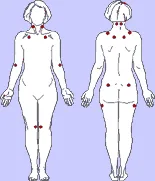
This exam is based on the standardized ACR criteria. Proper implementation of the exam determines the presence of multiple tender points at characteristic locations.
Test Your Immune System
Does your immune system need a boost? This test by Dr. Linda Page is quick and easy.
|

