Cancer Prevention – Detoxifying the Body
Liver Detoxification
Guide to Cleasning and Detoxifying the Body
Detoxifying & Colon Cancer
Papaya Antioxidant
Get
Free Information about Herb, Vitamin and Drug Interactions
Health
Notes is the leading provider of science-based information on healthy
living. Gathered from scientific studies published in over 550 peer-reviewed
medical and scientific journals. Visit
Health Notes for drug
interactions
Health
Care Directory
Our
Approach
Contact
Us
|
Cancer Prevention
– The Immune System – Herbal Remedies
By Decker Weiss:
NMD
This is a
tale of three discoveries. One transpired deep in the rainforests of Peru.
Another happened high in the mountains of Japan. And the third discovery
occurred in a university on the East Coast of the United States. All of
these discoveries resulted in amazing all-natural nutritional supplements.
All of these nutritional supplements have powerful effects on the human
immune system. And, while each of these natural nutritional supplements
help prevent and treat immune diseases individually, together they may
work even more powerfully to help strengthen our immunity and keep us
cancer-free.
Use your
browsers back button to navigate this jump menu.
Cat’s
Claw POA’s effect on cancer and the immune system
What
are Maitake mushrooms?
Maitake
mushroom’s D-fraction stops the growth of cancer cells
What
is IP-6 found in Rice Bran?
How
does IP-6 help kill cancer cells?
Is
it possible to over stimulate the immune system?
What is
cat’s claw?
Cat’s
claw might be one of the most confusing (and most effective!) nutritional
supplements available in health food stores today—with some fairly
good reasons.
First, its
mere name can be bewildering. Currently, there are at least 16 plants
in the world that are called cat’s claw. Sometimes these plants are
referred to as “Una de Gato”, Spanish for cat’s claw. While
Uncaria tomentosa is the Latin name of the plant most frequently sold
as cat’s claw supplements, these products vary vastly. Some cat’s
claw nutritional supplements contain cat’s claw bark, some contain
cat’s claw stems, and others contain compounds from the leaves of
cat’s claw. All of these claim to help the immune system.1
However,
it is the root of Uncaria tomentosa that actually contains the true cat’s
claw health benefits. Scientists, who have extensively studied every part
of the plant, discovered that only extracts made from cat’s claw
root possess the healing power to treat and prevent disease. While it
would seem that this vital understanding might help clear up some cat’s
claw confusion, not all Uncaria tomentosa roots actually contain healing
properties.2
To determine
which cat’s claw roots do have healing properties, we have to go
to the rainforests of Peru. This is where Uncaria tomentosa thrives. It’s
a woody vine that’s found at the base of tall trees in the rainforests.
As the plant grows, it winds up and around the tree, attaching itself
to the trunk with curved cat-like claws found at the junctions of its
leaves. The Asháninka Indians, who make these rainforests their
home, have used the roots of the cat’s claw plant for thousands of
years to cure illness and maintain health in the tribe.1,2
Healers in
the Asháninka tribe attribute the healing properties in cat’s
claw to the “good spirits” that live in the plant’s roots.
In order to obtain these healing properties, the correct cat’s claw
root must first be harvested. The Asháninka healers know which
cat’s claw to use; they can actually “see” the good spirits
hidden inside the root of the plant before they collect them. Some cat’s
claw plant roots have the good spirits. Some cat’s claw plant roots
don’t. If the cat’s claw root with good spirits is mixed with
any cat’s claw root without good spirits, the healing power is lost.
While there are no visible differences in the plants or the roots, only
certain cat’s claw roots possess the power to heal. And, only the
Asháninka tribal healers seem to be able to see them.2
Amazingly,
however, scientists who were given cat’s claw roots by the Asháninka
to study in the laboratory discovered that they were able to “see”
the good spirits, too! Using high performance liquid chromatography, or
HPLC, a laboratory process that identifies various chemical compounds,
the good spirits of cat’s claw roots were revealed to actually be
important medicinal compounds, called pentacyclic oxindole alkaloids (or
POAs).2
At the same
time, the scientists studying cat’s claw found they could “see”
the non-healing properties as well. Again, using HPLC, they also discovered
the presence of tetracyclic oxindole alkaloids (or TOAs) in certain cat’s
claw roots. While the POAs have very powerful effects in the immune system,
the TOAs have different effects in the body, none of which help the immune
system cells at all.3-6
And, if the
TOAs and POAs are mixed together (as so often happens in the vast majority
of cat’s claw products), the resulting product is useless to healing
and health. The TOAs cancel out the action of the POAs, making the cat’s
claw root extract ineffective. Even as little as 1% TOA content can cause
POAs to lose their ability to beneficially modulate the immune system.2,7
This means
that cat’s claw supplements that contain only POAs (in other words,
cat’s claw that is 100% TOA-free) from the root of the plant will
provide powerful effects in the immune system.1,2,7
What
effect do the POAs from cat’s claw root have on our immune system?
Cat’s
claw POAs work to keep us healthy by directly interacting with white blood
cells, the backbone of our immune system. Our white blood cells are the
disease fighting cells of the human body. These highly specialized cells
fight diseases we catch, such as colds and flu, as well as diseases that
start within our own cells, such as cancer and autoimmune diseases. There
are many kinds of white blood cells; each has a specific job to do in
fighting diseases.8
Certain POAs
help white blood cells called macrophages work faster. The macrophages’
job is to engulf and digest foreign material. This means that macrophages
can ingest more bacteria and disease causing microbes when they are exposed
to POAs.9,10 The scientists also discovered that POA cat’s claw extract
increases the production of a chemical protein called interleukin, that
is secreted by macrophages.11 Interleukin (IL-1) has important immune
enhancing properties. IL-1 alerts resting white blood cells and spurs
them into action. It also helps make other biochemicals essential to an
activated immune system.12 (90% of white blood cells are in reserve)
POAs also
help B cells.9,10 B cells are white blood cells that make antibodies that
kill germs. Each B cell is programmed to make one specific antibody that
is effective against one specific germ (such as a bacteria, virus, or
fungus).12 When scientists looked at the number of B cells after they
were exposed to POA cat’s claw root extract, they found that the
B cells had increased significantly, resulting in an increased supply
of antibodies.13
And perhaps
most importantly as they relate to cancer, the POAs in cat’s claw
root extract help increase the number of T-cells, the true soldiers of
the immune system.13 There are many different kinds of these white blood
cells, including Helper T-cells, Suppressor T-cells, and Killer T-cells.
Increased Helper, Suppressor, and Killer T-cells can more effectively
destroy cancer cells. Increasing the number of circulating T-cells is
very important in a disease like AIDS as well.12
European
health care providers are often very comfortable integrating the use of
herbal and nutritional supplements as vital components of their patients’
cancer treatments. In Austria alone, cat’s claw extract is used together
with conventional treatment (chemotherapy, radiation, and/or surgery),
to treat hundreds of cancer patients every year!14
A recent
clinical observational study looked at POA cat’s claw extract in
78 people with very advanced brain cancer. All of the participants reported
that the special POA cat’s claw helped them feel better, have more
vitality, and reduced side effects (such as nausea) caused by their conventional
cancer treatment. The researchers felt that POA cat’s claw extract
may also prove to have benefit in extending the life span of people with
these types of deadly brain cancers.15
What
exactly are maitake mushrooms?
Maitake
(pronounced my-tok-kee) mushrooms are native to the mountain forests of
Japan. They are large mushrooms, some growing up to fifty pounds, characterized
by overlapping, rippling caps. For thousands of years, maitake mushrooms
have been linked to good health in those who eat them. They have been
highly prized for centuries. During the feudal era of Japan, maitake mushrooms
were equal to their weight in silver.16
Maitake mushrooms
are known by many names. Maitake’s Latin name is “Grifola frondosa”
which refers to the griffin, a mythical half-lion and half-eagle that
symbolizes strength and vigilance. They are sometimes called “Hen-of-the-
Woods”, as their overlapping caps are similar to the plumage of barnyard
fowl. Maitakes are also known as “dancing mushrooms.” This name
may reflect the mushrooms’ wavy, rippling appearance. It may also
originate from the dance of joy mushroom hunters perform when they find
maitakes in the woods.16
How
did research discover maitake’s health benefits?
Because
maitakes are well known as healthy food, researchers interested in medicinal
mushrooms have studied them extensively. They discovered many maitake
compounds with dramatic health-promoting potential. One of these compounds,
maitake D-fraction, has particularly powerful anti-cancer effects.17
In lab studies,
D-fraction stops the growth of cancer cells and cancerous tumors. Maitake
D-fraction stimulates the activity of two white blood cells, macrophages
and natural killer cells. These white blood cells then trigger the production
of interleukins and other lymphokines, two biochemicals that help mediate
the immune response. Maitake also inhibits some of the mechanisms that
promote metastasis, or spread, of cancer cells in the lymph system and
bloodstream.18-20
Because of
this success, maitake D-fraction is now being used in preliminary clinical
trials of women with breast cancer.16 One study has reported significant
improvement of symptoms, including reduction of the tumor. The maitake
D-fraction was given to breast cancer patients in addition to standard
chemotherapy.17
What
is IP-6 with inositol?
In the mid
1980s, scientists at the University of Maryland were studying various
plant fibers and how they affected our health. They were particularly
interested in fiber and cancer. They discovered that fiber and bran contain
many natural components. One of these components, IP-6, has been studied
extensively for over 20 years.21-26
IP-6 is the
abbreviation for inositol hexaphosphate, an all-natural substance found
in the bran of brown rice. IP-6 is also referred to as phytic acid.27
Inositol is part of the B vitamin group,28 and IP-6, in a special and
specific combination with inositol, has powerful effects on the immune
system.29
How
does IP-6 with inositol help the immune system?
Scientists
who study IP-6 with inositol have discovered many amazing things how this
combination works. While many cancer drugs work by killing all cells,
both cancerous and normal, IP-6 with inositol only affects cancer cells.
When cancer cells in the laboratory are exposed to IP-6 with inositol,
they lose their aggressive nature, stop dividing uncontrollably, and eventually
die. The combination of IP-6 with inositol does not affect normal cells.29-31
Researchers
have also discovered that this powerful combination boosts the activity
of natural killer (NK) cells, those important white blood cells that “naturally”
kill cancer cells.29-31 Increased NK cell activity can result in the increased
killing of cancer cells, as well as cells infected by viruses.12 And,
finally, researchers have discovered that IP-6 with inositol also acts
like an antioxidant to help prevent cellular damage.32
If IP-6
comes from bran, wouldn’t eating more whole grain or high fiber foods
provide IP-6?
Scientists
who study a specific IP-6 and inositol blend asked this very same question
and went to the laboratory to find the answer. They took cancerous tumors
and exposed them to either the nutrients of fiber and bran, or to IP-6.
The nutrients of the fiber and bran were the equivalent of a 20% bran
diet. The scientists discovered that the IP-6 was twice as effective as
the nutrients of the 20% bran diet.33
In bran or
fiber, IP-6 is bound to protein. For IP-6 to be well absorbed in the stomach,
enter the bloodstream, and travel to the various organs where cancer has
occurred, the IP-6 must first be separated from the protein. This normally
happens with digestion, but it can take awhile and is inefficient. Phytase,
an enzyme found in food and also the intestine, can actually break down
IP-6, making it ineffective as a cancer fighter. The longer it takes IP-6
to be released from food, the more time phytase has to break down IP-6
to an ineffective form. Pure IP-6 is better, because it will be absorbed
into the bloodstream before phytase has a chance to destroy it.29,33
Why not
just take IP-6 by itself? Why does IP-6 need to be combined with inositol?
When scientists
studying this combination used plain IP-6 in the laboratory, good cancer
preventative effects and good cancer killing effects happened.26,35-37
When scientists used plain inositol in the laboratory, again, good cancer
preventative and cancer killing effects occurred.38-31 However, when IP-6
was combined with inositol, powerful cancer killing and cancer preventative
effects happened.29,30 Clearly, IP-6 with inositol is the superior choice
in cancer prevention.
Scientists
are interested in the very unique way IP-6 works in our body. One theory
of how this combination exerts its effects is that IP-6 mixed with inositol
breaks down into IP-3 in the body. IP-3 is more active than IP-6, but
is very unstable. That is why it is so important to use a product that
is an exact combination of IP-6 and inositol, precursors that are both
needed to yield the maximum amount of IP-3 needed for immune stimulation
and cancer growth inhibition.29,30
If
these three natural products are taken together, could they over-stimulate
my immune system?
That is
a very good question. And at first glance, it might seem a possibility.
However, one of the most amazing aspects of all three nutritional products,
POA cat’s claw root extract, maitake d-fraction, and IP-6 with inositol,
is their ability to both strengthen a weakened immune system and calm
down a hyperactive immune system. They modulate the immune system.9
The POAs
in cat’s claw root extract do not take over the immune system’s
job, they simply strengthen the body’s immune system so it can do
its job better.9-11,13 Maitake D-fraction does not act on cancer cells
directly, it encourages the body’s own immune system regulators to
act.17-21 IP-6 with inositol does not increase NK cells, it increases
NK cell activity.29-32 In other words, these three natural discoveries
strengthen and balance the immune system without the fear of over-stimulation.
In fact,
it is theorized that cat’s claw root extract, maitake mushrooms,
and IP-6 with inositol may work synergistically. Meaning, together they
strengthen and balance the immune system even better when they are taken
together. However, if you use a cat’s claw supplement that contains
any amount of TOAs, not only will the good “spirits” of the
POAs be cancelled, experts believe that they will interfere with IP-6
with inositol as well.42 That’s why it is vital to choose a cat’s
claw supplement that is 100% TOA-free and says so on its label.
Conclusion
These three
natural discoveries may be some of the most important health discoveries
to date. From the mountains of Japan, the rainforests of Peru, and the
learned halls of a prestigious university we have been given powerful
allies in healthy immunity and cancer prevention. Thankfully, there are
formulas available at health food stores that contain all three natural
discovery dietary supplements in one convenient product.
Our immune
systems are continuously assaulted from pollutants in the environment,
toxic additives in our food, and common chemicals we use and depend on
everyday. These assaults can leave us vulnerable to so-called simple diseases,
like colds and the flu, as well as serious problems, such as cancer and
autoimmune diseases. Staving off these threats means our white blood cells
must stand ready to mount incredibly intricate defenses. Cat’s claw
root extract, maitake D-fraction, and IP-6 with inositol provide powerful
protection from disease and an all natural boost to our immune system.
Reference
1. Schauss
AG. Cat’s Claw: Una de Gato. Tacoma, Wa: Foundation for Biosocial
Research; 1998:4-6.
2. Keplinger
K, Laus G, Wurm M, Dierich MP, Teppner H. Uncaria tomentosa (Willd.) DC.–ethnomedicinal
use and new pharmacological, toxicological and botanical results. J Ethnopharmacol.
1999;64:23-34.
3. Jin RM,
Chen CX, Li YK, Xu PK. Effect of rhynchophylline on platelet aggregation
and experimental thrombosis. Yao Hsueh Hsueh Pao. 1991;26:246-249.
4. Zhang
W, Liu GX. Effects of rhynchophylline on myocardial contractility in anaesthetized
dogs and cats. Chung Kuo Yao Li Hsueh Pao. 1986;7:426-428.
5. Zhang
W, Liu GX, Huang XN. Effect of rhynchophylline on the contraction of rabbit
aorta. Chung Kuo Li Hsueh Pao. 1987;8:425-429.
6. Kanatani
H, Kohda H, Yamasaki K, et al. The active principles of the branchlet
and hook of Uncaria sinensis Oliv. examined with a 5-hydroxytryptamine
receptor-binding assay. J Pharm Pharmacol. 1985;37:401-404.
7. Wurm
M, Kacani L, Laus G, Keplinger K, Dierich MP. Pentacyclic oxindole alkaloids
from Uncaria tomentosa induce human endothelial cells to release a lymphocyte-
proliferation- regulating factor. Planta Medica. 1998;65:701-704.
8. Sommers
C. Immunity and inflammation. In: Porth CM. Pathophysiology: Concepts
of Altered Health States. 5th ed. Philadelphia, Pa: Lippincott; 1998:
189-212.
9. Wagner
H, Kreutzkamp B, Jurcic K. Die alkaloide von uncaria tomentosa und ihre
phagozytosesteigernde wirkung (The alkaloids of Uncaria tomentosa and
their phagocytosis increasing effects). Planta Medica. 1985;5:419-423.
10. Kreutzkamp
B. Niedermolekulare Inhaltsstoffe mit immunstimulierenden Eigenschaften
aus Uncaria tomentosa, Okouba aubrivellei und andere Drogen, Inaugural
Dissertation, Universität München. 1994:71-72.
11. LeMaire
I, Assinewe V, Cano P, Awang D, Arnason JT. Stimulation of interleukin-1
and-6 production in alveolar macrophages by the neotropical liana, Uncaria
tomentosa (uña de gato). J Ethnopharmacol. 1999;64:109-115.
12. Sommers
C. Immunity and inflammation. In: Porth CM. Pathophysiology: Concepts
of Altered Health States. 5th ed. Philadelphia, Pa: Lippincott; 1998:
189-212.
13. Wurm
M, Kacani L, Laus G, Keplinger K, Dierich MP. Pentacyclic oxindole alkaloids
from Uncaria tomentosa induce human endothelial cells to release a lymphocyte-
proliferation- regulating factor. Planta Medica. 1998;65:701-704.
14. Steinberg
P. Uncaria tomentosa (cat’s claw): a wondrous herb from the Peruvian
rainforest. Townsend Letter for Doctors. 1994;442-443.
15. Saventaro
Cat’s Claw and Cancer Therapeutics. The Doctor’s Prescription
for Healthy Living. 1999; 4:16-17.
16. Susan
Love MD. Complementary and alternative therapies: maitake mushrooms. Accessed
April 7, 2002. http://www.susanlovemd.com /comp_alt_frames.html.
17. Kidd
PM. The use of mushroom glucans and proteoglycans in cancer treatment.
Altern Med Rev. 2000;5:4-27.
18. Adachi
Y, Okazaki M, Ohno N, Yadomae T. Enhancement of cytokine production by
macrophages stimulated with (1–>3)- beta-D-glucan, grifolan (GRN),
isolated from Grifola frondosa. Biol Pharm Bull. 1994;17:1554-60.
19. Borchers,
A.T., et al. Mushrooms, tumors and immunity. Proc Soc Exp Biol Med. 221(4):281-93,
1999.
20. Nanba
H, Kubo K. Effect of Maitake D-fraction on cancer prevention. Ann N Y
Acad Sci. 1997;833: 204-207.
21. Shamsuddin
AM. Vucenik I. Metabolism and cellular functions of IP6: a review. Anticancer
Res. 1999;19:3733-3736.
22. Vucenik
I, Yang G, Shamsuddin AM. Inositol hexaphosphate and inositol inhibit
DMBA-induced rat mammary cancer. Carcinogenesis. 1995;16:1055-1058.
23. Vucenik
I, Tantivejkul K, Zhang ZS, Cole KE, Saied I, Shamsuddin AM. IP6 in treatment
of liver cancer. I. IP6 inhibits growth and reverses transformed phenotype
in HepG2 human liver cancer cell line. Anticancer Res. 1998;18(6A):4083-4090.
24. Vucenik
I, Zhang ZS, Shamsuddin AM. IP6 in treatment of liver cancer. II. Intra-tumoral
injection of IP6 regresses pre-existing human liver cancer xenotransplanted
in nude mice. Anticancer Res. 1998;18:4091-4096.
25. Vucenik
I, Kalebic T, Tantivejkul K, Shamsuddin AM. Novel anticancer function
of inositol hexaphos phate: inhibition of human rhabdomyosarcoma in vitro
and in vivo. Anticancer Res. 1998;18:1377- 1384.
26. Ishikawa
T, Nakatsuru Y, Zarkovic M, Shamsuddin AM. Inhibition of skin cancer by
IP6 in vivo: initiation-promotion model. Anticancer Res. 1999;19:3749-3752.
27. Fleming
T., ed. Inositol hexaphosphate. In: PDR® for Nutritional Supplements.
Montvale, NJ: Medical Economics Company; 2001: 222-223.
28. Fleming
T., ed. Myo-inositol. In: PDR® for Nutritional Supplements. Montvale,
NJ: Medical Economics Company; 2001: 315-318.
29. Shamsuddin
AM, Ullah A, Chakravarthy K. Inositol and inositol hexaphosphate suppress
cell proliferation and tumor formation in CD-1 mice. Carcinogenesis. 1989;10:1461-1463.
30. Vucenil
I, Yang G-Y, Shamsuddin AM. Inositol hexaphosphate and inositol inhibit
DMBA-induced rat mammary cancer. Carcinogenesis.1995;16:1055- 1058.
31. Shamsuddin
AM. Inositol phosphates have novel anticancer function. J Nutr. 1995;125(3
Suppl):725S-732S.
32. Shamsuddin
AM. An anticancer cocktail: IP-6 and inositol. In: IP-6: Nature’s
Revolutionary Cancer-Fighter. New York: Kensington Publishing Company;
1998:114-121.
33. Vucenik
I, Yang G, Shamsuddin AM. Comparison of pure inositol hexaphosphate and
high-bran diet in the prevention of DMBA-induced rat mammary carcinogenesis.
Nutr Cancer. 1997;28:7-13.
34. Hirose
M, Hoshiya T, Akagi K, Futakushi M, Ito N. Inhibition of mammary gland
carcinogenesis by green tea catechins and other naturally occurring antioxidants
in female Sprague-Dawley rats pretreated with 7, 12-dimethylbenz[a]anthracene.
Cancer Letters. 1994;149-156.
35. Jenab
M, Thompson LU. Phytic acid in wheat bran affects colon morphology, cell
differentiation and apoptosis. Carcinogenesis. 2000;21:1547-1552.
36. Reddy
BS, Hirose Y, Cohen LA, Simi B, Cooma I, Rao CV. Preventive potential
of wheat bran fractions against experimental colon carcinogenesis: implications
for human colon cancer prevention. Cancer Res. 2000;60:4792-4797.
37. Jariwalla
RJ. Rice-bran products: phytonutrients with potential applications in
preventive and clinical medicine. Drugs Exp Clin Res. 2001;27:17-26.
38. Wattenberg
LW, Estensen RD. Chemopreventive effects of myo-inositol and dexamethasone
on benzo[a]pyrene and 4 – (methylnitrosoamino) – 1 – (3-pyridyl) – 1 –
butanone-induced pulmonary carcinogenesis in female A/J mice. Cancer Res.
1996;56:5132-5135.
39. Hecht
SS, Kenney PM, Wang M, Upadhyaya P. Dose-response study of myo-inositol
as an inhibitor of lung tumorigenesis induced in A/J mice by benzo. Cancer
Lett. 2001;167:1-6.
40. Wattenberg
LW, Wiedmann TS, Estensen RD, et al. Chemoprevention of pulmonary carcinogenesis
by brief exposures to aerosolized budesonide or beclomethasone dipropionate
and by the combination of aerosolized budesonide and dietary myo-inositol.
Carcinogenesis. 2000;21:179-182.
41. Nishino
H, Murakoshi M, Masuda M, et al. Suppression of lung and liver carcinogenesis
in mice by oral administration of myo-inositol. Anticancer Res. 1999;19:3663-3664.
42. Keplinger,
J. IMMODAL. Pharmaka GmbH, Volders, Austria. Personal communication (electronic
mail). May 29, 2002
|
The
Benefits of Eating Fiber
By Decker Weiss:
NMD
While we
know eating whole grains and fiber is good for us, most of us don’t
get enough. Adults in America today manage to only eat about 15 grams
of fiber each day, just half the recommended amount.1 However, in a world
full of highly processed foods, it can be difficult to get the fiber we
need.
Fiber Can:
Prevent
cancer3
Lower “bad”
cholesterol levels, raise “good” cholesterol levels 4, and strengthen
diseased hearts 1
Lessen the
risk of diabetes 6 and improve diabetes already diagnosed7
Help us lose
weight 8
Strengthen
our immune systems 10
Keep our
bowels healthy11 and relieve constipation12
What is
dietary fiber?
Fiber is
the part of plant foods we can’t digest or absorb.2 Fiber has no
calories and is not recognized as an essential nutrient. However, it seems
the very make up of fiber is the key to its healthy benefits.
Fibers are
classified into two categories according to their structure and how they
work in the body. Insoluble fibers, such as cellulose, hemicellulose,
and lignin, do not dissolve in water. Soluble fibers, such as gum and
pectin, do dissolve in water. We need both types of fiber every day. Each
form functions differently and provides different health benefits.2
Foods high
in soluble fiber include oat bran, oatmeal, beans, peas, rice bran, barley,
citrus fruits, strawberries and the edible part of apples. Oat bran has
the most soluble fiber of any grain; however, the whole oat grain is a
good source of insoluble fiber as well.2
Foods high
in insoluble fiber include wholewheat breads, wheat cereals, wheat bran,
rye, rice, barley, most other grains, cabbage, beets, carrots, Brussels
sprouts, turnips, cauliflower and apple skin.2
How does fiber affect
Cancer?
When we eat
fiber, its bulk fills our stomach and leaves little room for foods containing
fat.13 The less unhealthy fat we eat, the lower our chances are for developing
cancer. In addition, eating lots of fiber also speeds up digestion through
the stomach, small intestine, and large intestine (or colon), limiting
the amount of time cancer causing chemicals can get into the bloodstream.
Some fibers have been shown to actually absorb cancer-causing substances
that then leave the body in the stool.14-18
While all
women (and men, too) need the hormone estrogen, too much can lead to cancer,
especially of the uterus and breast. Excess estrogen levels can occur
as we get older and our estrogen ratios get out of balance. Eating a diet
high in fiber can bind or soak up the excess estrogen, increasing the
rate at which it is excreted from the body.9,33
How Does Fiber Effect
Cholesterol?
When we eat
a big bowl of oatmeal, we are much less likely to follow up with fried
eggs and bacon. Soluble fiber also binds cholesterol as it moves through
the intestinal tract. Since the fiber is not absorbed, the bound cholesterol
is not absorbed, and out with the stool it goes.4, 19-22
The Food
and Drug Administration has reported that in recent studies, total cholesterol
levels dropped between 0.5 percent and 2 percent for every gram of soluble
fiber eaten per day.23
High fiber
intake can also significantly lower the risk of heart attack. In one study,
men who ate the most fiber-rich foods (35 grams a day, on average) suffered
one-third fewer heart attacks than those who had the lowest fiber intake
(15 grams a day). In this study, each 10 grams of fiber added to the diet
decreased the risk of dying from heart disease by 17 percent.24
How Does Fiber Effect
Diabetes?
There are
two types of diabetes, aptly named Type 1 and Type 2.25 Fiber is beneficial
to both. In diabetes, glucose (sugar) builds up in the blood. When glucose
builds up in the blood instead of going into cells, the cells may be starved
for energy. And, over time, high blood glucose levels can damage eyes,
kidneys, nerves, and the heart.
Type 1 diabetes
is usually diagnosed in children and young adults and was previously known
as juvenile diabetes. In Type 1 diabetes, the body does not produce insulin.
Insulin is necessary for the body to be able to use glucose. Glucose builds
up in the blood instead of going into cells.25 However, when people with
diabetes eat the stickiest soluble fiber — the gums and pectins —
these fibers coat the lining of the stomach and delay its emptying. As
a result, sugar absorption is slowed after a meal and the amount of insulin
needed is often lowered. 6,26,27
Fiber can
actually help prevent Type 2 diabetes. This disease occurs most commonly
in people who are overweight and middle-aged. Eating a high fiber diet
can keep us away from those fried fatty foods that can pack on the pounds.
High fiber diets can be loaded with fruits and vegetables, both low in
calories and high in fiber.2 Studies have shown people who eat a diet
high in fiber have a very low risk of getting Type 2 diabetes. 28-30
How Does Fiber Effect
Obesity?
In fighting
the battle of the bulge, fiber can be a real lifesaver. Eating large amounts
of fiber keeps us from eating large amounts of high calorie and fat laden
ice cream sundaes, fettuccini alfredo, and deluxe pizzas. High fiber food
makes us feel fuller since fibers called cellulose and hemicelluloses
take up space in the stomach. Our total food intake is less. Since high
fiber foods are low in fat, not only do we take in less food volume, we
take in less food fat, too. 31,32
How Does Fiber Effect
The immune system?
A healthy
immune system protects us from diseases we might catch, such as colds
or the flu, as well as diseases that start in our own cells, such as cancer
and autoimmune diseases. White blood cells are the soldiers of our immune
system. They
fight both foreign invaders and cancer cells. Studies have shown eating
a high fiber diet can actually make white blood cells stronger and more
effective disease fighters.10,32,33
How Does Fiber Effect
Digestive Tract Health?
If we mostly
eat foods low in fiber or with no fiber, the muscles that make up our
colon walls don’t have to work very hard to move the fecal matter
or stool through the system. The colon walls get lazy, lose their shape,
and weaken. Weak colon walls can develop pockets where stool gets caught
and bacteria can grow, causing serious infection. A high fiber diet keeps
our colon’s muscles fit.11,36,37 Finally, constipation is most often
caused by the lack of fiber. Fiber, especially insoluble fiber, keeps
bowel movements large and soft. Large and soft stools are easier to pass
and help prevent hemorrhoids, too.12,38
While it’s
easy to see fiber can dramatically improve our health, it is still difficult
to get enough. Many people find liquid fiber supplements gritty and unpleasant,
and have a difficult time establishing a fiber routine. That’s where
chewable fiber tablets can help us out. By providing an easy to eat, high
source of fiber, chewable tablets containing both soluble and insoluble
fibers can really improve our health.
How can a chewable
fiber tablet improve our health?
Adding supplemental
chewable fiber tablets to our diet can provide incredible health benefits
in a totally convenient form. Chewable fiber tablets containing inulin
and fructooligosaccharides (FOS), two soluble dietary fibers, are particularly
valuable. Both inulin and FOS have been extensively studied in the laboratory
and in clinical trials, too.
Inulin (not
to be confused with insulin) and FOS are naturally occurring dietary fibers
that come from a variety of vegetables, expecially chicory root. Inulin
and FOS have the most impact on the health of our colons. Because they
are not absorbed from our stomach or intestines, they remain in the colon
until they are excreted with stool. While inulin and FOS are in the colon,
they increase the friendly bacteria, (commonly referred to as normal intestinal
flora) by providing the nutrients they need to grow and multiply. Studies
have shown that even inulin alone can increase the levels of friendly
bacteria. These bacteria produce natural antibiotics that eliminate potentially
harmful bacteria, including Salmonella, Campylobacter, and E. coli.39
Researchers believe adequate and consistent amounts of healthy intestinal
flora can also keep us from getting colon cancer.
In a clinical
trial, FOS was studied in children and babies who became sick with a gastrointestinal
disease common in little kids. Not only did FOS decrease the diarrhea
and vomiting, but the children felt better and were able to return to
daycare more quickly.40 Unlike other fibers, inulin and FOS do not block,
but rather improve the absorption of calcium, magnesium, and iron. Recently,
human studies have determined adding inulin and FOS to the diet increased
calcium absorption 20% to 58%.41,42
The most
recent study of inulin involved young girls aged 11 to 14. Adolescence
is the optimal time to build bones. Just like saving money in a bank that
builds interest, we store calcium in our bodies by building bones. If
we don’t get enough of this mineral from our diet, our bodies will
take calcium right from our bones. The result can be osteoporosis, a serious
disease that can result in brittle and porous bones that easily break.
In the study,
29 girls ate a fortified diet containing 1,300 mg of calcium during two
three-week periods. During one of the three week periods, the girls were
given 8 grams of inulin each day. During the other three-week period they
were given a placebo of 8 grams of sucrose each day. The girl’s calcium
absorption and calcium excretion were measured through urine tests. During
the time period the girls received the inulin, their calcium increased
significantly by 20%. That means these girls were able to store away 20%
more calcium in their “bone banks.”41
How much fiber do
we need each day?
The US Surgeon
General, the American Heart Association, and the American Cancer Society
all want us to eat 20-35 grams of fiber each day.43,1,44 We need to eat
both kinds of fiber. Some simple ways to increase your fiber intake are
to eat fresh fruit or vegetables rather than juice. Eat the skin and membranes
of cleaned fruits and vegetables. Include bran, whole grain breads, and
whole grain cereals in your diet daily.2
It’s
important to know many commercial oat bran and wheat bran products (muffins,
chips, and waffles) actually contain very little bran. They also may be
high in sodium, total unhealthy fat and saturated fat. Just because bread
or muffins are brown doesn’t mean they are good for you. Read the
label carefully and check for the fiber content. If the product contains
fiber, both the soluble fiber and insoluble levels of the product will
be listed.2
What should I look
for in a chewable fiber tablet?
The chewable
fiber tablet should contain at least 2 grams total of the soluble fibers
inulin and fructooligosaccharides, and insoluble fibers. The preferred
insoluble fiber is from oat bran.
I have heard if
you eat more fiber, you should drink more water. Do I need extra water
with these types of chewable fiber tablets?
Drinking
extra water is always a good choice. However, the above formula does not
require you to drink water while you chew your fiber. Just chew and enjoy.
How many chewable
fiber tablets should I take each day?
If the chewable
fiber tablet you are taking has 2 grams of combined fibers, 1-2 a day
is best to start with. You can adjust this dosage according to your comfort
levels and daily fiber intake. Build dosages slowly, so your body can
get used to the extra fiber. A large increase in fiber over a short period
of time may result in bloating, loose stools, gas, and discomfort.2
Conclusion
Sometimes
it’s embarrassing to talk about our colon, bowel movements, intestinal
gas, and other things associated with expelling waste material from our
bodies. Yet these bodily functions are very important for the crucial
role they play in our health. Many doctors believe all health issues are
related in some way to the process of digestion. Fiber is an excellent
way to dramatically improve this process, which is interconnected to every
single function in our bodies.
We know we
need fiber. We know fiber can drastically improve our health, but we also
know fiber can be a tough nut to swallow and sometimes hard to find. Until
now. With a few dietary changes like eating more fresh fruits and vegetables,
having whole grain cereals or bread at breakfast, and chewing 2 or more
chewable fiber tablets every day, we can reap the benefits of healthy
fiber.
Adding chewable
fiber tablets that have at least 2 grams of total fiber, including inulin
and FOS, to our diet is an easy way to get our fiber and improve our health.
Increasing fiber in this manner can help prevent constipation, cancer,
diabetes, obesity, and heart disease.
Fiber References
1. American
Heart Association. Fiber, Available at: www.americanheart.org /presenter.jhtml?identifier-4574.
2. Grodner
M, Anderson SL, DeYoung S. Fiber. In: Foundations and Clinical Applications
of Nutrition: A Nursing Approach. St. Louis, Mo: Mosby; 2000: 102-108.
3. Compher
CW, Frankel WL, Tazelaar J, et al. Wheat bran decreases aberrant crypt
foci, preserves normal proliferation, and increases intraluminal butyrate
levels in experimental colon cancer. J Parenter Enteral Nutr. 1999;23:269-277.
4. Dengel
JL, Katzel LI, Goldberg AP. Effect of an American Heart Association diet,
with or without weight loss, on lipids in obese middle-aged and older
men. Am J Clin Nutr. 1995;62:715-721.
5. Vajidar
BU, Goyal VS, Lokhandwala YY, et al. Is dietary fiber beneficial in chronic
ischemic heart disease? J Assoc Physicians India. 2000;48:871-876.
6. Toeller
M, Buyken AE, Heitkamp G, de Pergola G, Giorgio F, Fuller JH. Fiber intake,
serum cholesterol levels, and cardiovascular disease European individuals
with type 1 diabetes. EURODIAB IDDM Complications Study Group. Diabetes
Care. 1999:22:B21-B28.
7. Chandalia
M, Garg A, Lutjohann D, von Bergmann K, Grundy SM, Brinkley LJ. Beneficial
effects of high dietary fiber intake in patients with type 2 diabetes
mellitus. N Engl J Med. 2000; 342:1392-1398.
8. Howarth
NC, Satzman E, Roberts SB. Dietary fiber and weight regulation. Nutr Rev.
2001;59:129-139.
9. Rose DP,
Lubin M, Connally JM. Effects of diet supplementation with wheat bran
on serum estrogen levels in the follicular and luteal phases of the menstrual
cycle. Nutrition. 1997;13:535-539. 10. Felippe CR, Calder PC, Vecchia
MG, et al. Fatty acid composition of lymphocytes and macrophages from
rats fed fiber-rich diets: a comparison between oat bran and wheat bran
enriched diets. Lipids. 1997;32:587-591
11. Howard
MD, Gordon DT, Garleb KA, Kerly MS. Dietary fructooligosaccharide and
gum arabic have variable effects on fecal and colonic microbiota and epithelial
cell proliferation in mice and rats. J Nutr. 1995;125:2604-2609.
12. Schaefer
DC, Cheskin LJ. Constipation in the elderly. Am J Fam Physician. 1998;58:907-914.
13. Ferguson
LR, Harris PJ, Protection against cancer by wheat bran: role of dietary
fibre and phytochemicals. Eur J Cancer Prev. 1999; 8: 17-25.
14. La Vecchia
C, Ferraroni M, Francheschi S, Mezzetti M, Decarli A, Negri E. Fibers
and breast cancer risk. Nutr Cancer. 1997;28: 264-269.
15. Jansen
MC, Bueno-de-Mesquita HB, Buzina R, et al. Dietary fiber and plant foods
in relation to colorectal cancer mortality: the Seven Countries Study.
Int J Cancer. 1999;12:174-179.
16. Honda
T, Kai I, Ohi G. Fat and dietary fiber intake and colon cancer mortality:
a chronological comparison between Japan and the United States. Nutr Cancer.
1999;33:95-99.
17. Soler
M, Bosetti C, Franceshi S, et al. Fiber intake and the risk of oral, pharyngeal
and esophageal cancer. Int J Cancer. 2001;91:283-287.
18. McCann
SE, Freudenheim JL, Marshall JR, Brasure JR, Swanson MK, Graham S. Diet
in the epidemiology of endometrial cancer in western New York (United
States). Cancer Causes Control. 2000;11:965-974.
19. Jenkins
DJ, Kendall CW, Popovich DG, et al. Effect of a very-highfiber vegetable,
fruit, and nut diet on serum lipids and colonic function. Metabolism.
2001;50:494-503.
20. Leinonen
KS, Poutanen KS, Mykkanen HM. Rye bread decreases serum total and LDL
cholesterol in men with moderately elevated serum cholesterol. J Nutr.
2000;130:164-170.
21. MacMahon
M. Treatment guidelines for hypercholesterolemia: time to consider soluble
fibre. Int J Clin Pract. 1999;53:369-372.
22. Fernandez
ML. Soluble fiber and nondigestible carbohydrate effects plasma lipids
and cardiovascular risk. Curr Opin Lipidol. 2001;12:35-40.
23. Food
and Drug Administration. Importance of Dietary Fiber. Available at: http//www.cfsan.fda.gov/
˜dms/qa-nut12.html. Accessed January 22, 2002.
24. Pietinen
P, RimmEB, Korhonen P, et al. Intake of dietary fiber and risk of coronary
heart disease in a cohort of Finnish men. Circulation. 1996; 94:2720-7.
25. Guven
S, Kuenzi J. Diabetes mellitus. In: Porth CM. Pathophysiology: Concepts
of Altered Health States. 5th ed. Philadelphia, Pa: Lippincott; 1998:810-812.
26. Giacco
R, Parillo M, Rivellese AA, Lasorella G, Giacco A, D’Episcopo L,
Riccardi G. Long-term dietary treatment with increased amounts of fiber-rich
low-glycemic index natural foods improves blood glucose control and reduces
the number of hypoglycemic events in type 1 diabetic patients. Diabetes
Care. 2000;23:1461-1466.
27. Kalkwarf
HJ, Bell RC, Khoury JC, Gouge AL, Miodovnik M. Dietary fiber intakes and
insulin requirements in pregnant women with type 1 diabetes. J Am Diet
Assoc. 2001;101:305-310.
28. Liu S,
Manson JE, Stampjfer MJ, et al. A prospective study of whole-grain intake
and risk of Type 2 diabetes mellitus in US women. Am J Public Health.
2000;90:1409-1415.
29. Meyer
KA, Kushi LH, Jacobs DR Jr, Slavin J, Sellers TA, Folsom AR. Carbohydrates,
dietary fiber, and incident type 2 diabetes in older women. Am J Clin
Nutr. 2000;71:921-930.
30. Meyer
KA, Kushi LH, Jacobs DR Jr, Folsom AR. Dietary fat and incidence of type
2 diabetes in older Iowa women. Diabetes Care. 2001;24:1528-1535.
31. Birketveldt
GS, Aaseth J, Florholmen JR, Ryttig K. Long-term effect of fibre supplement
and reduced energy intake on body weight and blood lipids in overweight
subjects. Acta Medica. 2000;43:129-132.
32. Miller
WC, Eggert KE, Wallace JP, Lindeman AK, Jastremski C. Successful weight
loss in a self-taught, self-administered program. Int J Sports Med. 1993;14:401-405.
33. Haggans
CJ, Travelli EJ, Thomas W, Martini MC, Slavin JL. The effect of flaxseed
and wheat bran consumption on urinary estrogen metabolites in premenopausal
women. Cancer Epidemiol Biomarkers Prev. 2000;9:719-725.
34. Garritson
BK, Nikaein A, Peters GN, Gorman MA, King CC, Liepa GU. Effect of major
dietary modifications on immune system in patients with breast cancer:
a pilot study. Cancer Pract. 1995;3:239-246.
35. Lim BO,
Yamada K, Nonaka M, et al. Dietary fibers modulate indices of intestinal
immune function in rats. J Nutr. 1997;127:663-667.
36. Murakami
H, Iwane S, Munakata A, et al. Changes in intraluminal pressure in rat
large intestines with aging and effects of dietary fiber. Dig Dis Sci.
2001;46:1247-1254.
37. Aldoori
WH, Giovannucci EL, Rockett HR, Sampson L, Rimm EB, Willett WC. A prospective
study of dietary fiber types and symptomatic diverticular disease in men.
J Nutr. 1998;128:714-719.
38. Benton
JM, O’Hara PA, Chen H, Harper DW, Johnston SF. Changing bowel hygiene
practice successfully: a program to reduce laxative use in a chronic care
hospital. Geriatr Nurs. 1997;18:12-17.
39. Gibson
GR, Dietary modulation of the human gut microflora using the prebiotic
oligofructose and inulin. J Nutr. 1999;129:1438S-1441S.
40. Saavedra
J. Effects of long-term consumption of a weaning food supply supplemented
with oligofructose, a prebiotic, on general infant health status. J Pediatr
Gastroenterol Nutr. 1999;29:58.
41. Abrams
SA. The effect of Raftilose Synergy 1 on calcium absorption in young adolescent
girls. Internal report, Orafti Active Food Ingredients, Malvern, PA, 2000.
42. Coudray
C, Bellanger J, Castiglia-Delavaud C, Remesy C, Vermorel M, Rayssignuier
Y. Effect of soluble or partly soluble dietary fibres supplementation
on absorption and balance of calcium, magnesium, iron and zinc in healthy
young men. Eur J Clin Nutr. 1997;51:375-380.
43. American
Cancer Society. Nutrition for risk reduction. Available at: www.cancer.org/eprise
/main/docroot. Accessed on December 4, 2001.
44. The US
Surgeon General. Build a healthy base. Available at: http://www.health.gov
/dietaryguidelines/dga2000
/document/build.ht m#fruits. Accessed on December 4, 2001.
|
Fiber
Health Fact:
Fiber has
been shown to be beneficial in affecting cancer, cholesterol levels, diabetes,
obesity, the immune system, and digestive tract health.
Test
Your Immune System
Does
your immune system need a boost? This test
by Dr. Linda Page is quick and easy.
Advertisement
Where’s
Your Fiber?
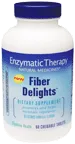
Fiber Delights
are a great-tasting, convenient way to get your daily fiber. You get natural
fiber without having to swallow a gritty drink mix. Delicious Fiber Delights
are convenient, chewable tablets you can take anywhere. This proprietary
Fiber Blend is enriched with inulin fiber (inulin and fructooligosaccharides
(FOS) from chicory root) and oat (Avena sativa) bran fiber.
Nutraceutical Research
A growing
body of evidence shows how nutraceuticals may offer many advantages for
the future of medicine.
|


 Medical Review of Herbal Remedies