 |
Page
updated: 10-10-2007 |
|
Virus
|
|||||||||||||||||||||||||
 Medical Review of Herbal Remedies |
Flu
Shot Vaccine Side Effects and Benefits
The benefits and dangers of
Flu
Shot Side Effects?
Flu Shot Benefits?
Get
Free Information about Herb, Vitamin and Drug Interactions!
Health
Notes is the leading provider of science-based information on healthy
living. Gathered from scientific studies published in over 550 peer-reviewed
medical and scientific journals. Visit
Health Notes for drug
interactions
Cold
or Flu and Concerns about Anthrax?
Indiana
State Dept of Health
Is
your Child Frequently Ill?
American
Academy of Pediatrics
SARS
Symptoms
Information / FAQ
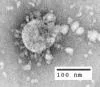
SARS Coronavirus
Cold Symptoms
Cold symptoms
include:*
Slow onset.
No prostration.
Fever Headache is rare.
Runny nose, Sneezing.
Mild Fatigue.
Cough, chest discomfort.
Sore Throat.
Flu Symptoms
Flu symptoms include:*
Swift, severe onset.
Prominent Prostration.
Flushed, hot moist skin.
102-104 degree temp.
Chills, body aches.
Extreme fatigue,
can last 2-3 weeks.
Cough, sore throat.
Sinus Infection Symptoms
Sinus infection symptoms:*
Facial pains.
Tenderness of the sinus areas.
Headaches.
Nasal drainage that is thick and colored.
Cough (may be itchy).
Postnasal drip.
Bad breath.
Upper jaw pain.
Sore throat.
Eyes are sensitive to light.
General fatigue.
Eye lids swell.
* Source: National Institutes of Health, and National Institute of Allergy
and Infectious Diseases.
More:
Sinus Infection Information
Is it a Stomach
Flu Virus?
or
Pneumonia Symptoms?
Cold and Flu Symptoms
– An Explanation
by Lawrence Stepanowicz, ND
You are a remarkable organism! Your body will work to repair itself and
stay well. Drugs can alleviate symptoms. They can even kill invading organisms.
But if you’re going to get better, your body will have to do the work.
Take colds and fevers.
A fever is just a way your body destroys germs. It does this by bringing
them to a temperature at which they can’t survive. Medicine may see a
fever as a symptom and high fevers can be dangerous, but a fever is part
of your body’s healing process.
A cold is basically a nasal infection. It can lead to sore throats and
other things, but a cold lives and dies in your nose. The rhino virus,
strains of which account for most colds, gets its name from that fact.
Rhino means nose.
Cold viruses thrive at temperatures slightly cooler than the 98.6 degrees
considered normal. So when faced with this invader, your body’s first
defense is stuffiness.
Why?
Because breathing through your nose keeps your nasal passages cooler and
the virus alive.
But when you get stuffy and are forced to breathe through your mouth,
your nose, no longer air cooled, reaches a higher temperature and becomes
less friendly an environment for the virus. The virus dies, and after
your body does some necessary cleanup and repair work, you’re good as
new.
That’s why almost anything you do to relieve a cold’s symptoms will only
prolong it. It tends to interfere with your body’s healing process.
Of course, some diseases are easier for your body to handle than others.
That’s why your best defense is a good offense and you need to take an
active part in your health rather than expect your doctor to fix things
after they go wrong. In most cases, he really can’t fix much and anything
he does will depend on your body’s cooperation, anyway.
About the author:
Lawrence Stepanowicz, ND is a naturopath and publisher of Practical Health.
For a free subscription and a free copy of Jon Barron’s “Lessons
From The Miracle Doctors” visit http://practicalhealth.net
Sinus Infection Symptoms
– What is Sinusitis?
by the National Institute of Health (NIH)
You’re coughing and sneezing and tired and achy. You think that you might
be getting a cold. Later, when the medicines you’ve been taking to relieve
the symptoms of the common cold are not working and you’ve now got a terrible
headache, you finally drag yourself to the doctor. After listening to
your history of symptoms, examining your face and forehead, and perhaps
doing a sinus X-ray, the doctor says you have sinusitis.
Sinusitis simply means your sinuses are infected or inflamed, but this
gives little indication of the misery and pain this condition can cause.
Health care experts usually divide sinusitis cases into
- Acute, which lasts for 3 weeks or less
- Chronic, which usually lasts for 3 to 8 weeks but can continue for
months or even years - Recurrent, which is several acute attacks within a year
Health care experts estimate that 37 million Americans are affected by
sinusitis every year. Health care workers report 33 million cases of chronic
sinusitis to the U.S. Centers for Disease Control and Prevention annually.
Americans spend millions of dollars each year for medications that promise
relief from their sinus symptoms.
Sinus Infection –
Quick Menu:
Use your browser’s “back” button to navigate the sinus infection
menu.
Sinus Infection Symptoms
Sinus Cold Causes
Chronic Sinusitis
Diagnosis
Sinus Treatment
Prevention
Research
Sinus Resource Information
What are sinuses?
Sinuses are hollow air spaces in the human body. When people say, “I’m
having a sinus attack,” they usually are referring to symptoms in
one or more of four pairs of cavities, or sinuses, known as paranasal
sinuses. These cavities, located within the skull or bones of the
head surrounding the nose, include the:
- Frontal sinuses over the eyes in the brow area
- Maxillary sinuses inside each cheekbone
- Ethmoid sinuses just behind the bridge of the nose and between
the eyes - Sphenoid sinuses behind the ethmoids in the upper region
of the nose and behind the eyes
Each sinus has an opening into the nose for the free exchange of air
and mucus, and each is joined with the nasal passages by a continuous
mucous membrane lining. Therefore, anything that causes a swelling in
the nose-an infection, an allergic reaction, or an immune reaction-also
can affect the sinuses. Air trapped within a blocked sinus, along with
pus or other secretions, may cause pressure on the sinus wall. The result
is the sometimes intense pain of a sinus attack. Similarly, when air is
prevented from entering a paranasal sinus by a swollen membrane at the
opening, a vacuum can be created that also causes pain.
Sinus Infection Symptoms
The location of your sinus pain depends on which sinus is affected.
- Headache when you wake up in the morning is typical of a sinus problem.
- Pain when your forehead over the frontal sinuses is touched may indicate
that your frontal sinuses are inflammed. - Infection in the maxillary sinuses can cause your upper jaw and teeth
to ache and your cheeks to become tender to the touch. - Since the ethmoid sinuses are near the tear ducts in the corner of
the eyes, inflammation of these cavities often causes swelling of the
eyelids and tissues around your eyes, and pain between your eyes. Ethmoid
inflammation also can cause tenderness when the sides of your nose are
touched, a loss of smell, and a stuffy nose. - Although the sphenoid sinuses are less frequently affected, infection
in this area can cause earaches, neck pain, and deep aching at the top
of your head.
Most people with sinusitis, however, have pain or tenderness in several
locations, and their symptoms usually do not clearly indicate which sinuses
are inflamed.
Other symptoms of sinusitis can include
- Fever
- Weakness
- Tiredness
- A cough that may be more severe at night
- Runny nose (rhinitis) or nasal congestion
In addition, the drainage of mucus from the sphenoids or other sinuses
down the back of your throat (postnasal drip) can cause you to have a
sore throat. Mucus drainage also can irritate the membranes lining your
larynx (upper windpipe). Not everyone with these symptoms, however, has
sinusitis.
On rare occasions, acute sinusitis can result in brain infection and
other serious complications.
What are some causes
of acute sinusitis?
Most cases of acute sinusitis start with a common cold, which is caused
by a virus. These viral colds do not cause symptoms of sinusitis, but
they do inflame the sinuses. Both the cold and the sinus inflammation
usually go away without treatment in 2 weeks. The inflammation, however,
might explain why having a cold increases your likelihood of developing
acute sinusitis. For example, your nose reacts to an invasion by viruses
that cause infections such as the common cold or flu by producing mucus
and sending white blood cells to the lining of the nose, which congest
and swell the nasal passages.
When this swelling involves the adjacent mucous membranes of your sinuses,
air and mucus are trapped behind the narrowed openings of the sinuses.
When your sinus openings become too narrow, mucus cannot drain properly.
This increase in mucus sets up prime conditions for bacteria to multiply.
Most healthy people harbor bacteria, such as Streptococcus pneumoniae
and Haemophilus influenzae, in their upper respiratory tracts
with no problems until the body’s defenses are weakened or drainage from
the sinuses is blocked by a cold or other viral infection. Thus, bacteria
that may have been living harmlessly in your nose or throat can multiply
and invade your sinuses, causing an acute sinus infection.
Sometimes, fungal infections can cause acute sinusitis. Although fungi
are abundant in the environment, they usually are harmless to healthy
people, indicating that the human body has a natural resistance to them.
Fungi, such as Aspergillus, can cause serious illness in people
whose immune systems are not functioning properly. Some people with fungal
sinusitis have an allergic-type reaction to the fungi.
Chronic inflammation of the nasal passages also can lead to sinusitis.
If you have allergic rhinitis or hay fever, you can develop episodes of
acute sinusitis. Vasomotor rhinitis, caused by humidity, cold air, alcohol,
perfumes, and other environmental conditions, also may be complicated
by sinus infections.
Acute sinusitis is much more common in some people than in the general
population. For example, sinusitis occurs more often in people who have
reduced immune function (such as those with immune deficiency diseases
or HIV infection) and with abnormality of mucus secretion or mucus movement
(such as those with cystic fibrosis).
What causes chronic
sinusitis?
If you have asthma, an allergic disease, you may have frequent episodes
of chronic sinusitis.
If you are allergic to airborne allergens, such as dust, mold, and pollen,
which trigger allergic rhinitis, you may develop chronic sinusitis. In
addition, people who are allergic to fungi can develop a condition called
“allergic fungal sinusitis.”
If you are subject to getting chronic sinusitis, damp weather, especially
in northern temperate climates, or pollutants in the air and in buildings
also can affect you.
Like acute sinusitis, you might develop chronic sinusitis if you have
an immune deficiency disease or an abnormality in the way mucus moves
through and from your respiratory system (e.g., immune deficiency, HIV
infection, and cystic fibrosis). In addition, if you have severe asthma,
nasal polyps (small growths in the nose), or a severe asthmatic response
to aspirin and aspirin-like medicines such as ibuprofen, you might have
chronic sinusitis often.
How is sinusitis
diagnosed?
Because your nose can get stuffy when you have a condition like the common
cold, you may confuse simple nasal congestion with sinusitis. A cold,
however, usually lasts about 7 to 14 days and disappears without treatment.
Acute sinusitis often lasts longer and typically causes more symptoms
than just a cold.
Your doctor can diagnose sinusitis by listening to your symptoms, doing
a physical examination, and taking X-rays, and if necessary, an MRI or
CT scan (magnetic resonance imaging and computed tomography).
How is sinusitis
treated?
After diagnosing sinusitis and identifying a possible cause, a doctor
can suggest treatments that will reduce your inflammation and relieve
your symptoms.
Acute sinusitis
– Sinus Infection
If you have acute sinusitis, your doctor may recommend
- Decongestants to reduce congestion
- Antibiotics to control a bacterial infection, if present
- Pain relievers to reduce any pain
You should, however, use over-the-counter or prescription decongestant
nose drops and sprays for only few days. If you use these medicines for
longer periods, they can lead to even more congestion and swelling of
your nasal passages.
If bacteria cause your sinusitis, antibiotics used along with a nasal
or oral decongestant will usually help. Your doctor can prescribe an antibiotic
that fights the type of bacteria most commonly associated with sinusitis.
Many cases of acute sinusitis will end without antibiotics. If you have
allergic disease along with infectious sinusitis, however, you may need
medicine to relieve your allergy symptoms. If you already have asthma
then get sinusitis, you may experience worsening of your asthma and should
be in close touch with your doctor.
In addition, your doctor may prescribe a steroid nasal spray, along with
other treatments, to reduce your sinus congestion, swelling, and inflammation.
Chronic sinusitis
Doctors often find it difficult to treat chronic sinusitis successfully,
realizing that symptoms persist even after taking antibiotics for a long
period. In general, however, treating chronic sinusitis, such as with
antibiotics and decongestants, is similar to treating acute sinusitis.
Some people with severe asthma have dramatic improvement of their symptoms
when their chronic sinusitis is treated with antibiotics.
Doctors commonly prescribe steroid nasal sprays to reduce inflammation
in chronic sinusitis. Although doctors occasionally prescribe them to
treat people with chronic sinusitis over a long period, they don’t fully
understand the long-term safety of these medications, especially in children.
Therefore, doctors will consider whether the benefits outweigh any risks
of using steroid nasal sprays.
If you have severe chronic sinusitis, your doctor may prescribe oral
steroids, such as prednisone. Because oral steroids are powerful medicines
and can have significant side effects, you should take them only when
other medicines have not worked.
Although home remedies cannot cure sinus infection, they might give you
some comfort.
- Inhaling steam from a vaporizer or a hot cup of water can soothe inflamed
sinus cavities. - Saline nasal spray, which you can buy in a drug store, can give relief.
- Gentle heat applied over the inflamed area is comforting.
When medical treatment fails, surgery may be the only alternative for
treating chronic sinusitis. Research studies suggest that the vast majority
of people who undergo surgery have fewer symptoms and better quality of
life.
In children, problems often are eliminated by removal of adenoids obstructing
nasal-sinus passages.
Adults who have had allergic and infectious conditions over the years
sometimes develop nasal polyps that interfere with proper drainage. Removal
of these polyps and/or repair of a deviated septum to ensure an open airway
often provides considerable relief from sinus symptoms.
The most common surgery done today is functional endoscopic sinus surgery,
in which the natural openings from the sinuses are enlarged to allow drainage.
This type of surgery is less invasive than conventional sinus surgery,
and serious complications are rare.
How can I prevent
sinusitis?
Although you cannot prevent all sinus disorders-any more than you can
avoid all colds or bacterial infections-you can do certain things to reduce
the number and severity of the attacks and possibly prevent acute sinusitis
from becoming chronic.
- You may get some relief from your symptoms with a humidifier, particularly
if room air in your home is heated by a dry forced-air system. - Air conditioners help to provide an even temperature.
- Electrostatic filters attached to heating and air conditioning equipment
are helpful in removing allergens from the air.
If you are prone to getting sinus disorders, especially if you have allergies,
you should avoid cigarette smoke and other air pollutants. If your allergies
inflame your nasal passages, you are more likely to have a strong reaction
to all irritants.
If you suspect that your sinus inflammation may be related to dust, mold,
pollen, or food-or any of the hundreds of allergens that can trigger an
upper respiratory reaction-you should consult your doctor. Your doctor
can use various tests to determine whether you have an allergy and its
cause. This will help you and your doctor take appropriate steps to reduce
or limit your allergy symptoms.
Drinking alcohol also causes nasal and sinus membranes to swell.
If you are prone to sinusitis, it may be uncomfortable for you to swim
in pools treated with chlorine, since it irritates the lining of the nose
and sinuses.
Divers often get sinus congestion and infection when water is forced
into the sinuses from the nasal passages.
You may find that air travel poses a problem if you are suffering from
acute or chronic sinusitis. As air pressure in a plane is reduced, pressure
can build up in your head blocking your sinuses or eustachian tubes in
your ears. Therefore, you might feel discomfort in your sinus or middle
ear during the plane’s ascent or descent. Some doctors recommend using
decongestant nose drops or inhalers before your flight to avoid this problem.
Sinus Infection Research
Scientific studies have shown a close relationship between having allergic
rhinitis and chronic sinusitis. In fact, some studies state that up to
80 percent of adults with chronic sinusitis also had allergic rhinitis.
There is also an association between asthma and sinusitis. Some researchers
think that as many as 75 percent of people with asthma also get sinusitis.
The National Institute of Allergy and Infectious Diseases (NIAID) conducts
and supports research on allergic diseases as well as bacteria and fungus
that can cause sinusitis. This research is focused on developing better
treatments and ways to prevent these diseases.
Scientists supported by NIAID and other institutions are investigating
whether chronic sinusitis has genetic causes. They have found that the
alterations in genes which cause cystic fibrosis may also contribute to
chronic sinusitis. This research focus will give scientists new insights
into the cause of the disease in some people and points to new strategies
for diagnosis and treatment.
Another NIAID-supported research study is trying to determine whether
fungi may play a role in causing many cases of chronic sinusitis. This
research also will help scientists develop better medicines to treat chronic
sinusitis.
Where can I get more
information about cold, flu, and sinus infections?
Common Cold
Symptoms
http://www.nlm.nih.gov/
Sinus Infections Symptoms
http://www.nlm.nih.gov
Key Facts
about the Flu
http://www.cdc.gov
Time is The Only Sure Cure
http://www.fda.gov/
Cold Flu, Allergic rhinitus or Sinusitis Comparison Chart
University
of Maryland Medicine
Differentiating
between a cold & flu University
of Maryland Medicine
Cold &
Flu – (Includes symptoms for strep throat, allergies, bronchitis, &
sinus infection) Amer
Academy Family Physicians
What is the
difference between a cold & the flu?
healthAtoZ.com
Is it a cold
or the flu?
KidsHealth,
Nemours Foundation’s Center for Children’s Health Media
Flu verses
Cold
National Institute
of Allergy and Infectious Diseases
How can I
tell if I have the flu or just a cold?
Sarah Hansen,
Student Health Service, Univ Iowa
Cold &
Flu Guidlines
American Lung
Association
American Academy of Allergy, Asthma and Immunology
611 East Wells Street
Milwaukee, WI 53202
1-800-822-ASMA (2762)
http://www.aaaai.org
Joint Council of Allergy, Asthma, and Immunology
50 N. Brockway, Suite 3.3
Palatine, IL 60067
(847) 934-1918
http://www.jcaai.org
American Academy of Otolaryngology-Head and Neck Surgery, Inc.
One Prince Street
Alexandria, VA 22314-3357
(703) 836-4444
http://www.entnet.org
NIAID is a component of the National Institutes of Health (NIH).
NIAID supports basic and applied research to prevent, diagnose, and treat
infectious and immune-mediated illnesses, including HIV/AIDS and other
sexually transmitted diseases, illness from potential agents of bioterrorism,
tuberculosis, malaria, autoimmune disorders, asthma and allergies.
Press releases, fact sheets and other NIAID-related materials
are available on the NIAID Web site at http://www.niaid.nih.gov
Prepared by:
Office of Communications and Public Liaison
National Institute of Allergy and Infectious Diseases
National Institutes of Health
Bethesda, MD 20892
U.S. Department of Health and Human Services
Drug Makers Recall Over-The-Counter Infant Cold and Decongestant Formulas
On 10-11-07 drug manufactures have voluntarily agreed to remove and recall infant cold medicines from retail store shelves. View the list of infant cold medicine drug recalls with photos and descriptions.
Does
Echinacea Fight Colds?
Condensed
from Megen Phelps’ article in Mother
Earth News, Jan 2006
Echinacea’s
effectiveness in the prevention of colds and flu seems to have been
called into question when the New England Journal of Medicine published
the results of a clinical trial in July 2005. The results of a large
clinical trial seemed to find that the herb was not effective in the treatment
or prevention of colds. This widely published study was funded by the
National Center for Complementary and Alternative Medicine (NCCAM).
However Mark Blumenthal, executive director of the American Botanical
Council, a non-profit organization that promotes research and education
on medicinal plants, commented in Mother Earth News, The NCCAM study
was well controlled, but this is not the definitive study. It needs to
been seen in the context of the many other trials of Echinacea.”
Research collected by Herbalgram.org
found of the 21 studies listed, 18 found positive results, with three
studies finding no significant effects. Researchers themselves in the
NCCAM study noted it difficult to prove or disprove the effects of Echinacea
because so many forms of the herb are used. Dr. Rudolf Bauer, a co-author
of the NCCAM Echinacea study was quoted in The New York Times stating
that he personally continues to take Echinacea. Dr. Bauer thinks that
the study should investigate the effect o higher dosages. The study’s 900
milligram-per-day level used the Echinacea Augustifolia” variety
of Echinacea instead of the newer standards of 3,000 milligram daily dosage
of the Echinacea Padilla” variety as set by the World Health Organization
and the Canadian National Health Products Directorate.
Echinacea Fails to
suppress Cold, Flu and Sinus Infection Symptoms
J. Immunother. 2002 Sep-Oct;25(5):413-20 Department of Internal Medicine, Robert-Bosch-Hospital, Stuttgart, Germany.
Echinacea
extracts are widely used in European countries and in the United States
as “immune-stimulating” agents. Even though the evidence to
stimulate certain components of the nonspecific immune system (phagocytosis,
macrophages, and production of cytokines) stems from in vitro experiments
or studies after parenteral application, the commercially available Echinacea
preparations used as drugs or supplements are for oral use. The aim of
the study was to determine whether phagocytic activity and production
of cytokines is stimulated by oral application of a commercially available
Echinacea preparation. Forty healthy male volunteers (ages 20-40 years)
participated in the study. They received either a freshly expressed juice
of Echinacea purpurea herbs or placebo juice using a double-blind placebo-controlled
crossover design with two treatment periods of 14 days and a wash-out
period of 4 weeks in between. Endpoints for immune stimulation: phagocytic
activity of polymorphonuclear leukocytes and monocytes measured by flowcytometry,
production of tumor necrosis factor alpha (TNF)-alpha and Interleukin
(IL)-1beta by LPS-stimulated blood monocytes. Echinacea purpurea herbs
did neither enhance phagocytic activity of polymorphonuclear leukocytes
nor that of monocytes when compared with placebo. Echinacea purpurea herbs
did not influence the production TNF-alpha and IL-1beta by LPS-stimulated
monocytes. Unexpectedly, Echinacea purpurea herbs decreased serum ferritin
concentration (p = 0.0005). All other laboratory and safety data remained
unchanged. The “immune stimulation” by Echinacea purpurea observed
in vitro and after parenteral administration are not confirmed in healthy
humans after oral intake. Other immunomodulatory effects may explain the
benefits of Echinacea preparations in reducing duration and severity of
upper-respiratory tract infections found in randomized, double-blind clinical
trials.
Understanding Cold and Flu Symptoms – Over The Counter Drug Side Effects
By Decker
Weiss: MD, AACVPR
The common cold is the leading reason children and adults stay home sick
from school or work, according to the National Institutes of Health. It’s
estimated that one billion colds are caught and spread in the U.S. every
year.1 During influenza season, 35 to 50 million Americans get the flu.
Flu outbreaks can sweep through entire communities, affecting up to half
the population. For certain people (the elderly, newborns, and people
with chronic illnesses) the flu can cause serious and even life-threatening
complications.
Why hasn’t a
cure been found for colds and the flu?
Viruses are
extremely difficult to study. To cure a cold, a remedy would need to kill
any one of the 200 different viruses. Flu viruses continually evolve and
mutate from season to season.1,2 So far, no one has succeeded at finding
the magic formula for a safe cold or flu cure.
The best research has been able to offer is the development of over-the-counter
(OTC) medicines to treat cold and flu symptoms. However, there is some
consensus that treating the symptoms of colds and flu infections may actually
prolong the duration of the disease and prolong the misery.1,2 In addition,
some potentially serious side effects have been associated with the use
of OTC cold and flu medications.8,9
What kind of side
effects are associated with OTC cold and flu medications?
A variety of OTC products are available. Decongestants temporarily dry
up runny noses, stop sneezing, and relieve watery eyes.
Acetaminophen, aspirin, and ibuprofen reduce body aches. Aspirin and
ibuprofen bring down fevers.1,2
All these medications can cause side effects. Aspirin and ibuprofen can
cause gastrointestinal upset.10,11 Additionally, aspirin should never
be given to children and adolescents with colds or the flu. Several studies
have linked the use of aspirin to the development of Reye’s syndrome,
a rare and potentially fatal illness.1,2
Taking acetaminophen over an extended length of time can cause liver
and kidney damage so the daily dose should be limited to no more than
four grams.12,13 Decongestants can cause high blood pressure, heart palpitations,
urinary retention, nausea, vomiting, drowsiness, anxiety, tremors, and
insomnia.14 Decongestant use can alter the normal tissue of the nose and
actually increase the duration of nasal congestion.15,16
However, suffering with an untreated cold or the flu can be very distressing
and quite uncomfortable.
What else can be
done for colds and flu?
Supplementing with elderberry during the flu may reduce its symptoms.41
Elderberry is an herb that causes an increase in viral antibodies. While
elderberry is available as an individual supplement, it is also frequently
combined with other vitamins, minerals, glandular extracts, or herbs for
maximum cold and flu symptom relief.
If you also have an irritated throat, English ivy extract has been shown
to provide natural and effective relief. English ivy soothes and quiets
coughs due to colds and flu without the side effects often found in some
products containing synthetic ingredients.42-44
Getting lots of rest and drinking lots of fluids (a minimum of 64 ounces
of water and juice a day) are
also very important. Drinking hot beverages such as tea and eating chicken
soup are not only comforting, but they can open up stuffy noses. Gargling
with salt water may help reduce painful sore throats.1,2
Individuals should seek care from a licensed health care practitioner
if they have a fever that lasts longer than three days, are coughing up
yellow-green mucus, or have chest pain that occurs with breathing. These
symptoms may signal more serious conditions.1,2
With colds and flu, an ounce of prevention is truly worth a pound of
cure. Frequent hand washing and sneezing into facial tissues (that are
promptly thrown away) are the easiest and most effective ways to prevent
the spread of colds and flu.1,2
[Top]
References
1. The Common Cold. National Institutes of Health Web site. Available
at: http://www.niaid.nih.gov/
factsheets/cold.htm.
Accessed on April 30, 2001.
2. Flu. Centers for Disease Control and Prevention Web site. Available
at: http://www.cdc.gov/ncidod/
diseases/flu/fluinfo.htm. Accessed April 30, 2001.
3. Robbers JE, Tyler VE. EchinaceTyler’s Herbs of Choice. Binghamton,
NY: The Haworth Herbal Press; 1999: 253-257.
4. Wustenberg R, Henneicke-von Zepelin HH, Kohler G, Stammwitz U. Efficacy
and mode of action of an immunomodulator herbal preparation containing
echinacea, wild indigo, and white cedar. Adv Ther. 1999;16:51-70.
5. Henneicke-von Zepelin HH, Hentschel C, Schnitker J, Kohnen R, Kohler
G, Wustenberg P. Efficacy and safety of a fixed combination phytomedicine
in the treatment of the common cold (acute viral respiratory tract infection):
results of a randomised, double-blind, placebo-controlled, multicentre
study. Curr Med Res Op. 1999;15:214-227.
6. Porth CM. The common cold. Pathophysiology: Concepts of Altered Health
States. 5th ed. Philadelphia, Pa: Lippincott; 1998: 502.
7. Norris J, Ed. InfluenzProfessional Guide to Diseases. 5th ed. Springhouse,
Pa: Springhouse Corporation; 1995:212-213.
8. Karch AM, Karch FE. Let the user beware. OTC drugs aren’t necessarily
‘safe when taken as directed.’ Am J Nurs. 2001;101:25.
9. Ornato JP. Over-the-counter stroke? Health News. 2000;6:3.
10. Hirschowitz BI, Hawkey CJ. Questions regarding future research on
aspirin and the gastrointestinal tract. Am J Med. 2001;110(Suppl):S74-S78.
11. Hunt RH, Bowen B, Mortensen ER, et al. A randomized trial measuring
fecal blood loss after treatment with rofecoxib, ibuprofen, or placebo
in healthy subjects. Am J. Med. 2000;109:201-206.
12. Noriega GO, Ossola JO, Tomaro ML, Batlle AM. Effect of acetaminophen
on heme metabolism in rat liver. Int J Biochem Cell Biol. 2000;32:983-991.
13. Broughan TA, Soloway RD. Acetaminophen hepatoxicity. Dig Dis Sci.
2000;45:1553-1558.
14. Johnson DA, Hrieik JG. The pharmacology of alpha-adrenergic decongestants.
Pharmacotherapy. 1993;13:110-115.
15. Graf P. Adverse effects of benzalkonium chloride on the nasal mucosa:
allergic rhinitis and rhinitis medicamentosClin Ther. 1999;21:1749-1755.
16. Graf P. Rhinitis medicamentosa: aspects of pathophysiology and treatment.
Allergy. 1997;52:28-34.
17. Foster S, Tyler VE. EchinaceIn: The Honest Herbal. Binghamton, NY:
The Haworth Press; 1999:143-145.
18. Bauer R, Hoheisel O, Stuhlfauth I, Wolf H. Extract of the Echinacea
purpura herb: an allopathic phytoimmunostimulant. Wein Med Wochenschr.
1999;149:185-189.
19. Lindenmuth GF, Lindenmuth EB. The efficacy of echinacea compound
herbal tea preparation on the severity and duration of upper respiratory
and flu symptoms: a randomized, double-blind placebo-controlled study.
J Altern Complement Med. 2000;6:327-334.
20. Currier NL, Miller SC. Natural killer cells from aging mice treated
with extracts from Echinacea purpurea are quantitatively and functionally
rejuvenated. Exp Gerontol. 2000;35:627-639.
21. Melchart D, Linde K, Worku F, et al. Results of five randomized studies
on the immunomodulatory activity of preparations of EchinaceJ Altern Complement
Med. 1995;1:145-160.
22. Bauer R. Echinacea drugs—effects and active ingredients. Z Arztl
Fortbild (Jena). 1996;90:111-115.
23. Dorsch W. Clinical applications of extracts of Echinacea purpurea
or Echinacea pallidCritical evaluation of controlled clinical studies.
Z Arztl Fortbild (Jena). 1996;90:117-122.
24. Stimpel M, Proksch A, Wagner H, Lohmann-Matthes ML. Macrophage activation
and induction of macrophage cytotoxicity by purified polysaccharide fractions
from the plant Echinacea purpureInfect Immun. 1984;46:845-849.
25. Luettig B, Steinmuller C, Gifford GE, Wagner H, Lohmann-Matthes ML.
Macrophage activation by the polysaccharide arabinogalactan isolated from
plant cell cultures of Echinacea purpureJ Natl Cancer Inst. 1989;81:669-675.
26. Burger RA, Torres AR, Warren RP, Caldwell VD, Hughes BG. Echinacea-induced
cytokine production by human macrophages. Int J Immunopharmacol. 1997;19:371-379.
27. See DM, Broumand N, Sahl L, Tilles JG. In vitro effects of echinacea
and ginseng on natural killer and antibody- dependent cell cytotoxicity
in healthy subjects and chronic fatigue syndrome or acquired immunodeficiency
syndrome patients. Immunopharmacology. 1997;35:229-235.
28. Sun LZ, Currier NL, Miller SC. The American coneflower: a prophylactic
role involving nonspecific immunity. J Altern Complement Med. 1999;5:437-446.
29. Kindzel’skii LP, Zlochevskaia LL, Tsyganok TV, Shebava MM.
The effect of natural immunomodulators on the lymphocytic natural killer
activity in patients with malignant lymphoproliferative diseases. Lika
Sprav1995;1:146-148.
30. Summers C. Immunity and inflammation. In: Porth CM. Pathophysiology:
Concepts of Altered Health States. 5th ed. Philadelphia, Pa: Lippincott;
1998:189-212. 31. Hansel R, Keller K, Rimpler H, Schneider. Hagers Hanbuch
der pharmazeutischen Praxis: Drogen P-Z (Thuja). New York, NY:Springer-Verlag;
1994.
32. Offergeld R, Reinecker C, Gumz E, et al. Mitogenic activity of high
molecular polysaccharide fractions isolated from the cupprassaseae Thuja
occidentalis L. enhanced cytokine-production by thyapolysaccharide, g-fraction
(TPSg). Leukemi1992; 3(Suppl):189S-191S.
33. Neth R, Drize N, Gohla S, Offergeld R, Reski R, Schrum S. Phytotherapeutische
forschung: Thuja occidentialis LZ. Allg Med. 1995;71:522-530.
34. Vomel T. Der einflub eins pflanzlichen immunostimulans auf die phagozytose
von erythrozyten durch das retikulohistiozytare system der isoliert perfundunierten
rattenleber. Arzneimittelforschung/Drug Res. 1985;35:1437-1439.
35. Beuscher N, Kopanski L, Ernwein C. Modulation der immunanatwort durch
polymere substanzen aus baptista tinctoria und echinacea angustifoliIn:
Masihi KN et al, eds. Immunotherapeutic Prospects of Infectious Diseases.
Berlin, Heidelberg:
Springer-Verlag;1987.
36. Beuscher N, Scheit KH, Bodinet C, Egert D. Modulation der korpereigenen
immunabwehr substanzen aus baptista tinctoria und echinacea purpureIn:
Masihi KN et al, eds. Immunotherapeutic Prospects of Infectious Diseases.
Berlin, Heidelberg:Springer-Verlag; 1991.
37. Hansel R, Keller K, Rimpler H, Schneider G. Hagers Handbuch der pharmazeutischen
Praxis: Drogen A-D (baptista). New York, NY:Springer-Verlag; 1992.
38. Echinacea pallida root. In: Blumenthal M., ed. The Complete German
Commission E Monographs. Austin, Tex: American Botanical Council; Integrative
Medicine Communications; 1998:121-122.
39. Echinacea purpurea herb. In: Blumenthal M., ed. The Complete German
Commission E Monographs. Austin, Tex: American Botanical Council; Integrative
Medicine Communications; 1998:122-123. 40. Liske E. Panel discussion.
Possible contraindications and side effects of echinace1999. Presented
at the 1999 American Herbal Products Association International Echinacea
Symposium. Kansas City, Mo.
41. Zakay-Jones Z, Varsano N, Zlotnik M, et al. Inhibition of several
strains of influenza virus in vitro and reduction of symptoms by an elderberry
extract (Sambucus nigra L) during an outbreak of influenza B PanamJ Altern
Complement Med. 1995;1:361-369.
42. Ivy Leaf. In: Blumenthal M, Goldberg A, Brinckmann J., ed. Herbal
Medicine. Expanded Commission E Monographs. Austin, Tex: American Botanical
Council; Integrative Medicine Communications; 2000:215-217.
43. Meyer-Wegener J, Liebscher K, Hettich M. Ivy versus ambroxol in chronic
bronchitis. Zeitschrift Fur Allgemeinmedizin (Journal of General Medicine).
1993;69:61-66.
44. Gulyas A, Repges R, Dethlefsen U. Systematic therapy of chronic obstructive
respiratory disease in children. Atemw und Lungenkrankheiten (Respiratory
and Lung Disease). 1997;23:291-294
Infections – Open Thread
Share your thoughts about cold, flu, sinus and staph infections.
|
Resistant Staph Infections – MRSA
Learn about infections that are antibiotic-resistant, also known as MRSA (Methicillin-Resistant Staphylococcus Aureus). Frequently Asked Staph Questions
Contradicting
Evidence: The Case For Echinacea
 Echinacea
has been the subject of many clinical studies. Some health experts admit
the jury has yet to be decided for the effectiveness of echinacea as a
immune enhancer. Here’s the contradicting evidence for Echinacea’s
Effectiveness.
Elderberry
extract safe and effective treatment for symptoms of influenza A and B
virus infections.
J. Int Med Res. 2004 Mar-Apr;32(2):132-40,
Department of Virology, Hebrew University-Hadassah Medical School, Jerusalem, Israel.
Elderberry has been used in folk medicine for centuries to treat influenza, colds and sinusitis, and has been reported to have antiviral activity against influenza and herpes simplex. We investigated the efficacy and safety of oral elderberry syrup for treating influenza A and B infections. Sixty patients (aged 18-54 years) suffering from influenza-like symptoms for 48 h or less were enrolled in this randomized, double-blind, placebo-controlled study during the influenza season of 1999-2000 in Norway. Patients received 15 ml of elderberry or placebo syrup four times a day for 5 days, and recorded their symptoms using a visual analogue scale. Symptoms were relieved on average 4 days earlier and use of rescue medication was significantly less in those receiving elderberry extract compared with placebo. Elderberry extract seems to offer an efficient, safe and cost-effective treatment for influenza. These findings need to be confirmed in a larger study.
Elderberry Immune Defense Standardized ExtractImmune Defense Elderberry Extract. Unfumigated and processed to retain all possible vital elements. Elderberry Fruit Standardized Extract (5% total flavonoids) (Sambucus nigra) 400 mg |
| Shopping with us is safe. Guaranteed |
Immune System
Nutritional Check List
Source:
HealthNotes – Immune
Function
|
Rated |
Nutritional Supplements | Herbs |
|---|---|---|
| ••• |
Multiple vitamin-mineral (for Vitamin E (for elderly people) |
|
| •• |
Acidophilus Beta-carotene Fish oil (omega-3 fatty acids Glutamine (prevention of post-exercise Selenium (for elderly people) Thymus extracts Vitamin A Vitamin C Zinc (for elderly people) |
Ashwa ghanda Eleuthero |
| • |
Beta-glucan Cordyceps DHEA Lycopene Vitamin B12 Whey protein Zinc (for non-elderly people) |
Astragalus Cat’s claw Fo-ti Green tea Ligustrum Maitake Noni |
|
••• Reliable and relatively consistent •• Contradictory, insufficient, or preliminary • An herb is primarily supported by traditional |
||
Nutraceutical Research
A growing
body of evidence shows how nutraceuticals may offer many advantages for
the future of medicine.
- Carotenoids
- Colostrum
- Cranberry
- Elderberry
Extract - Fucoidans,
Alginates, Laminarines - Glyconutrients
- Lo
Han Kuo - Lotus
Seed - Polyphenols
Cold, Flu and Sinus
Infection Facts:
More than
200 different viruses are known to cause the common cold.
While antibiotics
kill disease-causing microbes, echinacea enhances the body’s own
ability to fight off cold flu and sinus infections.
Echinacea
is the most widely used herbal supplement in the United States.
Test Your Immune
System
Does your
immune system need a boost? This test
by Dr. Linda Page is quick and easy.
Flu Shot Side Effects-
The United Press Investigation
By Mark Benjamin
Published 7/20/2003
The
Vaccine Conflict
Influenza virus
Echinacea tea blend
shortens duration of cold symptoms
In a double-blind,
placebo-controlled clinical study of 95 people, treatment with an echinacea
tea preparation (Echinacea Plus®, Traditional Medicinals) early in
the course of a cold or flu was significantly more effective in relieving
symptoms than a placebo tea. For the 90-day study, participants reported
for assignment to one of two treatment groups at the first onset of cold
and flu symptoms (scratchy throat, runny nose, fever, etc.). The subjects
drank 5 to 6 cups a day of echinacea or placebo tea on the first day of
symptoms, reducing the dosage to 1 cup per day for the next five days.
Results were assessed with a questionnaire that measured symptom relief,
duration of symptoms, and time before subjects noticed a difference in
symptoms. The echinacea tea was significantly more effective than placebo
in all parameters measured. No side effects were reported in either group.
Echinacea Plus is a proprietary blend of E. purpurea and E.
angustifolia leaves, flowers, and stems, a water soluble dry extract
of E. purpurea root, and flavoring herbs. Eater’s Digest® (Traditional
Medicinals) was selected as the placebo tea because it was not expected
to have a significant effect on cold or flu symptoms at the dosages used
in this study. Among other herbs, Eater’s Digest contains cinnamon, ginger,
and peppermint. Lindenmuth GF, Lindenmuth EB.
The efficacy of
echinacea compound herbal tea preparation on the severity and duration
of upper respiratory and flu symptoms: a randomized, double-blind placebo-controlled
study.
This article
originally appeared in The Journal of Alternative and Complementary Medicine
2000; 6(4): 327-334.
Nasal irrigation is effective in improving symptoms and the health status of patients with sinus infections.
Clinical study and literature review of nasal irrigation. School of Medicine, University of California San Diego, USA.
OBJECTIVES/HYPOTHESIS: Nasal disease, including chronic rhinosinusitis and allergic rhinitis, is a significant source of morbidity. Nasal irrigation has been used as an adjunctive treatment of sinonasal disease. However, despite an abundance of anecdotal reports, there has been little statistical evidence to support its efficacy. The objective of this study was to determine the efficacy of the use of pulsatile hypertonic saline nasal irrigation in the treatment of sinonasal disease. Study DESIGN: A prospective controlled clinical study. METHODS: Two hundred eleven patients from the University of California, San Diego (San Diego, CA) Nasal Dysfunction Clinic with sinonasal disease (including allergic rhinitis, aging rhinitis, atrophic rhinitis, and postnasal drip) and 20 disease-free control subjects were enrolled. Patients irrigated their nasal cavities using hypertonic saline delivered by a Water Pik device using a commercially available nasal adapter twice daily for 3 to 6 weeks. Patients rated nasal disease-specific symptoms and completed a self-administered quality of well-being questionnaire before intervention and at follow-up. RESULTS: Patients who used nasal irrigation for the treatment of sinonasal disease experienced statistically significant improvements in 23 of the 30 nasal symptoms queried. Improvement was also measured in the global assessment of health status using the Quality of Well-Being scale. CONCLUSIONS: Nasal irrigation is effective in improving symptoms and the health status of patients with sinonasal disease.
Legal Disclaimer:
Health statements on this page have not been evaluated by the FDA. The
health information on this site is for education purposes only. HeartSpring.net
assumes no responsibility in treatment or cure of any disease or illness. The information provided
on Heartspring.net is designed to support, not replace, the relationship that exists between a
patient/site visitor and his/her physician.
© 2008 Heartspring.net